Latest Stories
Most recently published stories in Earth.
Israel-Iran War: Environmental Risks Overview
Nearly a month into the Israeli-US war against Iran, it is clear that the environmental costs for Iran and the wider region have been substantial and are continuing to mount. The primary environmental threat during this stage of the war is conflict-linked pollution, which has the potential to impact public health, as well as terrestrial and marine ecosystems, and natural resources such as soils and aquifers. Contamination of water bodies is of particular concern for Iran, where drought and mismanagement have depleted water resources.
By Ibrahim Shah 3 days ago in Earth
Thousands Take to the Streets Across America for "No Kings" Day
March 28, 2026 Today, people in cities and towns all across the United States stepped outside, made signs, and marched together for what's being called "No Kings III" — the third major mobilization organized by the No Kings Coalition.
By Jayden Hua3 days ago in Earth
Pakistan is Now the World’s “Guru”
Pakistan is Now the World’s “Guru” In recent years, Pakistan has quietly transformed its global image. Once viewed mainly through the lens of regional conflicts and economic challenges, Pakistan is now increasingly seen as a country offering diplomatic balance, strategic wisdom, and peace-focused leadership. This shift has led many analysts and observers to describe Pakistan as becoming a "world’s guru" — a nation offering guidance in an increasingly unstable global environment.
By Wings of Time 4 days ago in Earth
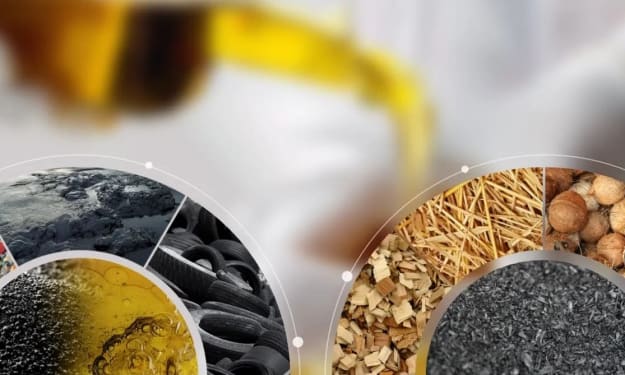
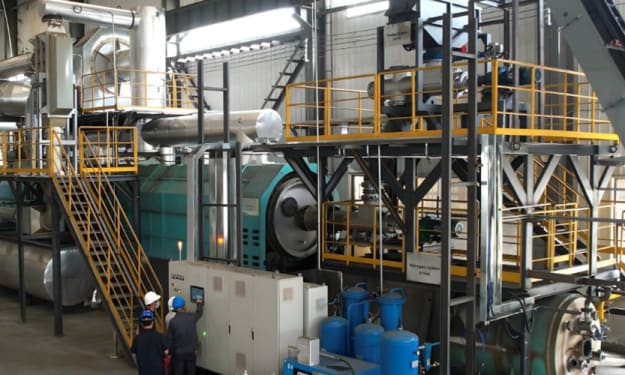
Biochar Pyrolysis and Sustainable Development: For a Carbon-Smart Future. AI-Generated.
As global populations grow and industrial activities expand, sustainable solutions for energy, agriculture, and carbon management are becoming increasingly urgent. Biochar pyrolysis—the process of thermally decomposing organic biomass in an oxygen-limited environment to produce biochar—has emerged as a versatile strategy that addresses multiple environmental and societal challenges simultaneously. By transforming agricultural residues, forestry waste, and other biomass into stable carbon-rich material, biochar not only contributes to soil enhancement but also plays a role in climate change mitigation, renewable energy production, and sustainable development goals (SDGs).
By Bestonpyrolysis5 days ago in Earth
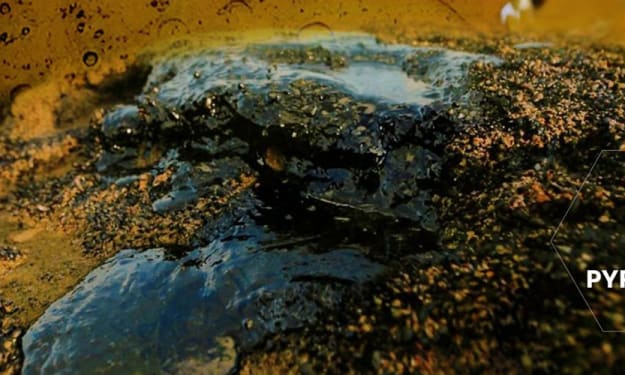
The Role of Pyrolysis Oil (PPO/TPO) in a Circular Plastics Economy. AI-Generated.
The dual challenge of plastic pollution and fossil fuel dependency is among the most pressing global environmental issues today. Every year, millions of tons of plastic waste and end-of-life tires accumulate in landfills, incinerators, and oceans, posing risks to ecosystems, human health, and climate. At the same time, industries worldwide rely heavily on crude oil for the production of plastics, fuels, and other chemical products.
By Bestonpyrolysis5 days ago in Earth
Boy Meets Squirrel
What is the line that Hugh Grant says at the beginning of Love, Actually? "Whenever I get gloomy with the state of the world, I think about the arrivals gate at Heathrow Airport." He loves seeing the friends and family members expressing their love for one another after returning from a trip. It's a nice notion. Perhaps, thinking about the airports doesn't help everyone to remove their gloom-- and especially not when thinking about airports in the U.S. in March of 2026-- so, what else could do it?
By Stephen Kramer Avitabile6 days ago in Earth
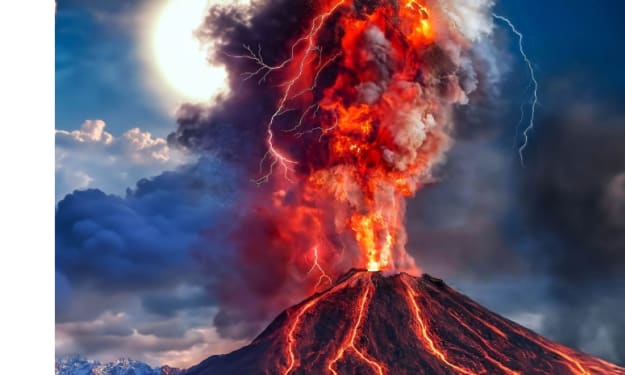
A volcanic outburst nearly wiped off the early human population, reducing it to less than 1,000.
Researchers have discovered that early humans quickly changed their diet to include more food from rivers in order to survive one of the biggest volcanic explosions in Earth's history. This answer shows how environmental stress may have forced human populations to continue migrating instead of collapsing.
By Francis Dami6 days ago in Earth
Urban Demolition Challenges: Efficient Trucking Strategies in High-Density Construction Zones
Urban demolition is no longer a niche segment of construction. As cities continue to grow vertically and older structures are cleared to make way for new developments, demolition and excavation projects are increasingly concentrated in dense, high-traffic areas. This shift brings a new layer of complexity, especially for trucking operations that must move debris, materials, and equipment efficiently through crowded urban environments.
By Tim Clarke6 days ago in Earth