
Scientific Health Benefits of Owning a Cat
What Research Shows About How Cats Improve Human Physical and Mental Well‑Being

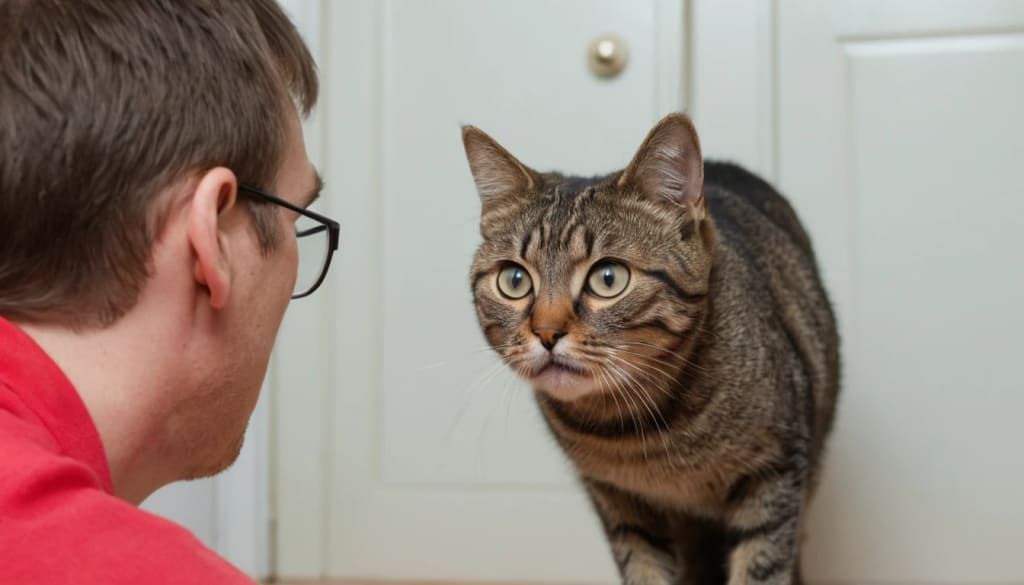
Cats have delighted humanity for thousands of years, from ancient temples to modern living rooms. What was once viewed as companionship and charm has, in recent decades, become the subject of serious scientific study. Researchers around the world have explored the effects of cats on human health and consistently found evidence that these furry companions can improve both physical and mental well being. From lowering stress hormones to supporting heart health, the evidence builds a compelling case that cats offer benefits far beyond purring and playful antics.
Let's dive into scientific studies, clinical research, and verified findings to explain how owning a cat can benefit humans in measurable ways. We separate myth from evidence, highlight the biological mechanisms involved, and provide insights from the latest research.
1. Reduced Stress and Anxiety Levels
One of the most consistently documented benefits of cat ownership is its effect on stress and anxiety. Research shows that interacting with cats reduces levels of cortisol, the hormone released in response to stress. Lower cortisol levels are associated with reduced anxiety, better sleep, and improved mood. A 2009 study published in Anthrozoös found that petting a cat lowered cortisol levels in participants during stressful tasks, compared with people who did not interact with cats. Researchers concluded that cats have a calming influence on their owners through tactile interaction and emotional bonding.
Physical contact with a cat triggers the release of oxytocin, sometimes referred to as the “love hormone,” which promotes feelings of trust and relaxation. This biochemical response is similar to the one seen between human caregivers and infants. While dogs also release oxytocin in their owners, cats do so with minimal physical exertion or training, making them especially effective for people who seek a calming presence without demanding interaction.
2. Lower Blood Pressure and Heart Disease Risk
Cardiovascular health is one of the most significant areas where cat ownership has been studied scientifically. A landmark study published in Circulation (the American Heart Association’s journal) found that cat owners had a significantly lower risk of dying from heart attack and stroke compared to non owners. Researchers followed over 4,000 adults and found that cat ownership was associated with a 30% reduction in the risk of fatal heart attack over the study period.
The biology underlying this benefit relates to stress reduction. Chronic stress elevates blood pressure and releases hormones that strain the cardiovascular system. By lowering stress and anxiety, cats help mitigate these harmful effects. Interactive play, gentle purring, and routine care all contribute to a calmer hormonal profile in owners.
Another study published in Journal of Vascular and Interventional Neurology found that cat owners were 40% less likely to suffer a stroke than people who did not own pets. These correlations do not necessarily prove causation alone, but taken alongside multiple studies, they strongly indicate that aspects of cat ownership support heart health.
3. Boosted Immune Function
Cats can benefit immune function, especially in children. Research into early exposure to pets shows that children who live with cats during infancy tend to have lower rates of allergies and asthma later in childhood. A study in the Journal of Allergy and Clinical Immunology revealed that early exposure to pet dander stimulates the developing immune system, teaching it to differentiate between harmful and harmless allergens. This early “immune training” reduces the likelihood of hypersensitive reactions.
The hygiene hypothesis—proposed by immunologists to explain rising allergy rates—suggests that early exposure to microbes from animals helps prime the immune system in a healthy way. Cats, by introducing diverse microbes into the home environment, contribute to this beneficial exposure. While not all studies agree, a strong body of evidence supports the idea that cats, when part of a varied microbial environment, can help build robust immune responses.
4. Reduced Risk of Depression and Improved Emotional Resilience
Mental health researchers have examined the role of cats in emotional well being, especially in populations prone to depression, loneliness, and mood disorders. A study in the Journal of Personality and Social Psychology found that people who lived with pets reported fewer feelings of loneliness and depression, in part because pets provided both emotional support and a sense of purpose.
Cats offer consistent companionship without judgment and without requiring the same level of social effort that human relationships do. For people coping with depression or social anxiety, this can create a supportive environment where interaction feels safe and manageable. Cats also provide predictable routines—feeding times, play, grooming—that structure daily life, which psychologists recognize as a stabilizing factor in mood disorders.
Research published in BMC Psychiatry found that adults with anxiety or mood disorders who owned pets experienced greater emotional stability compared with non owners. While the study focused on companion animals in general, cats were among the most frequently cited pets associated with improved emotional health. The act of caring for a cat generates feelings of being needed and connected, both of which correlate with reduced symptoms of depression.
5. Enhanced Social Interaction and Sense of Belonging
Cats also influence social behavior positively. Pet owners, including cat owners, are more likely to engage in conversations, share experiences, and form social bonds with other people. Social psychologists describe “pet based social facilitation,” a phenomenon where owning a pet encourages more social interaction within the community. Cat owners often exchange stories, advice, and companionship from other pet lovers, both in person and online.
This effect is especially beneficial for older adults. Studies show that older people who live with pets, including cats, are less likely to report feelings of isolation. Social isolation is a known health risk on par with smoking and obesity, and interventions that increase social connection have measurable health benefits.
6. Faster Recovery After Illness or Surgery
Medical research has explored the effect of pets on recovery rates after illness or surgery. A study published in Psychosomatic Medicine found that heart attack patients who owned pets were more likely to survive the first year after their event compared to those who didn’t. This relationship persisted even after controlling for other lifestyle factors.
While multiple reasons contribute to this finding—including increased activity, emotional support, and routine—researchers suggest that the stress reducing effects of pet companionship play a central role. Patients who interact with animals have reported lower pain perception, faster healing, and less need for pain medication.
7. Encouraging Physical Activity and Playful Movement
Cats naturally encourage physical activity through interactive play. While dogs might require walks, cats demand movement through chasing toys, climbing, or engaging with owners during play sessions. Researchers in behavioral health note that regular, even moderate, physical activity contributes to overall well being, reducing the risk of obesity, improving muscle tone, and fostering mental clarity. Owners who play with their cats for even short periods each day experience these cumulative benefits.
For older adults or people with limited mobility, gentle cat play can be particularly beneficial. It encourages stretching, reaching, and focused movement that contributes to better physical function without the strain associated with high intensity exercise.
8. Pets and the Biopsychosocial Model of Health
Healthcare professionals increasingly recognize the role of companion animals within the biopsychosocial model of health, which evaluates physical, psychological, and social factors together. According to this model, pets influence all three domains. Physically, cats decrease stress and improve cardiovascular markers. Psychologically, they support emotional stability and reduce depression. Socially, they encourage connection and reduce isolation.
Organizations such as the Human Animal Bond Research Institute (HABRI) fund and publish research showing that pets, including cats, have valid roles in health promotion and disease prevention. Their data consistently highlights measurable benefits across age groups and health conditions.
9. Cognitive Benefits in Older Adults
Cats may also support cognitive health in aging populations. Some studies suggest that pet ownership slows the rate of cognitive decline by providing mental stimulation, routine, and memory engagement. Caring for a cat involves planning, remembering routines, and problem solving—activities that stimulate brain function. Social interaction and emotional enrichment provided by pets also contribute to maintaining cognitive skills.
While more research is needed to fully map the biological mechanisms, early findings are promising and point toward cats playing a role in healthy aging.
10. Reduced Risk of Allergies in Children
Beyond immune stimulation, early exposure to cats influences allergy development in children. Longitudinal studies show that children exposed to cats before age one have lower risks of developing common allergies, including those unrelated to pets. The proposed mechanism is immune education: early exposure to diverse microbes trains the immune system to respond appropriately, reducing hypersensitivity. While genetics and environment also play crucial roles, the presence of cats in childhood homes correlates strongly with healthier immune responses later in life.
Conclusion
Scientific research increasingly supports what many cat owners have intuitively felt for years: cats offer more than companionship; they contribute to measurable improvements in human health. Evidence shows that cat ownership is linked with reduced stress, lower blood pressure, stronger immune function, improved emotional well being, better recovery outcomes after illness, enhanced social interaction, and potential cognitive benefits for aging adults.
While owning a cat is not a substitute for medical care, therapy, or healthy lifestyle habits, the growing body of research demonstrates that cats are valuable allies in promoting human health. Their presence, rhythm, and behavior support physical and psychological resilience in ways that are scientifically verifiable.
For anyone considering a pet, these findings provide compelling reasons to look beyond simple companionship and understand the real ways cats contribute to human health. As science continues to study the human animal bond, the evidence keeps pointing toward one conclusion: cats are not just pets—they are partners in health
About the Creator
Algieba
Curious observer of the world, exploring the latest ideas, trends, and stories that shape our lives. A thoughtful writer who seeks to make sense of complex topics and share insights that inform, inspire, and engage readers.
Wisteria Woo RIP
Wisteria Woo Silver~Rhodesian Ridgeback Cane Corso mix~ 7.19.15-3.2.26 My service dog, Wisteria, had been slowing down, having mysterious health symptoms like severe hives and unexplained injury. She went to the vet last month, but unfortunately, not all tests detect all problems. When we returned to the vet yesterday, upon much more concerning symptoms suddenly appearing, we learned she had a very large mass (10inx10in) likely the very aggressive hemangiosarcoma, and that we would only be buying a few months if we went through with treatment.
By K.B. Silver 27 days ago in Petlife
What Is the Best Tropical Fish Food for Healthy and Happy Fish?
Feeding tropical fish might seem simple at first, but it plays a much bigger role than just keeping them alive. The right tropical fish food directly affects their color, growth, behavior, and overall health. Whether you’re new to fishkeeping or have years of experience, understanding what to feed your fish can make a noticeable difference in how your aquarium looks and functions.
By The Fish Works7 days ago in Petlife
The Irony of Flying While We Bomb the "World's Greatest Terror Regime"
Ah, the irony of flying at this moment in time as the United States is simultaneously bombing Iran - the nation officials have insisted for decades is "The World's Greatest Terror Regime" - while the TSA is on a go-slow, courtesy of a funding squeeze that's left its officers unpaid, quitting in droves, and turning checkpoints into something like slow-moving bread lines.
By Scott Christenson🌴8 days ago in Humor




Comments
There are no comments for this story
Be the first to respond and start the conversation.