
What Is the Best Tropical Fish Food for Healthy and Happy Fish?
Let's Dive in!

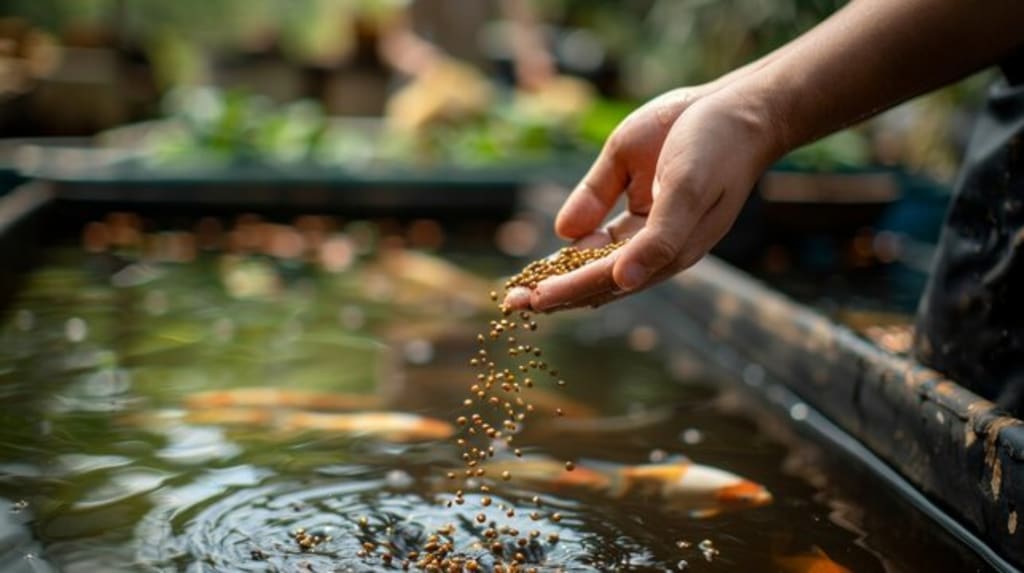
Feeding tropical fish might seem simple at first, but it plays a much bigger role than just keeping them alive. The right tropical fish food directly affects their color, growth, behavior, and overall health. Whether you’re new to fishkeeping or have years of experience, understanding what to feed your fish can make a noticeable difference in how your aquarium looks and functions.
Why Choosing the Right Tropical Fish Food Matters
Tropical fish come from diverse environments, and each species has its own dietary needs. Some are herbivores, others are carnivores, and many are omnivores. Feeding the wrong type of food can lead to poor digestion, dull colors, and even illness.
A balanced diet helps:
- Improve fish coloration
- Support immune health
- Encourage natural behavior
- Maintain clean and stable water conditions
Good nutrition isn’t just about feeding more—it’s about feeding smart.
Types of Tropical Fish Food
There are several types of fish food available, each designed for different feeding habits and tank conditions.
1. Flake Food
Flake food is one of the most common options and works well for many community fish. It floats on the surface and slowly sinks, making it accessible to fish at different levels of the tank.
Best for: Small to medium-sized fish like tetras, guppies, and mollies
Pros: Easy to use, widely available
Cons: Can lose nutrients quickly if left in water too long
2. Pellet Food
Pellets come in different sizes and can either float or sink. They are often more nutrient-dense than flakes.
Best for: Medium to large fish
Pros: Less messy, more controlled feeding
Cons: Must choose the right size to avoid overfeeding or choking
3. Frozen Food
Frozen options include bloodworms, brine shrimp, and daphnia. These are closer to what fish would eat in the wild.
Best for: Carnivorous or omnivorous fish
Pros: High in protein, very nutritious
Cons: Requires storage and thawing
4. Freeze-Dried Food
This is a convenient alternative to live food, offering similar nutrients without the risks.
Pros: Long shelf life, easy to store
Cons: Needs soaking before feeding to prevent digestion issues
Matching Food to Fish Type
Not all tropical fish eat the same way. Understanding your fish’s natural diet is key.
Herbivores
These fish mainly eat plant-based foods. They need algae, spirulina, and vegetable matter.
Good options: Algae wafers, spirulina flakes
Carnivores
Carnivorous fish prefer protein-rich foods like insects and small aquatic animals.
Good options: Bloodworms, brine shrimp, high-protein pellets
Omnivores
Most tropical fish fall into this category. They need a mix of plant and protein-based foods.
Good options: Balanced flakes, mixed diet of pellets and frozen food
How Often Should You Feed Tropical Fish?
Overfeeding is one of the most common mistakes in fishkeeping. It can lead to poor water quality and health issues.
General rule:
Feed 1–2 times per day
Only give as much as fish can eat in 2–3 minutes
It’s better to underfeed slightly than overfeed. Fish can go a day without food, but poor water conditions can harm them quickly.
Signs You’re Feeding the Right Food
Healthy fish are easy to spot when they are getting proper nutrition. Look for:
- Bright, vibrant colors
- Active swimming behavior
- Consistent growth
- Clear eyes and smooth scales
If your fish appear dull, sluggish, or are not eating well, it may be time to reassess their diet.
Common Feeding Mistakes to Avoid
Even experienced fishkeepers can make simple feeding mistakes. Here are a few to watch out for:
Overfeeding
Excess food sinks to the bottom and decays, polluting the water.
Feeding One Type Only
A varied diet is important. Just like humans, fish benefit from different nutrients.
Ignoring Fish Behavior
Some fish eat at the surface, others at the bottom. Make sure all fish in your tank are getting food.
Not Adjusting Diet
As fish grow, their dietary needs can change. Juveniles often need more protein, while adults may need a more balanced diet.
How Fish Food Affects Water Quality
What you feed your fish doesn’t just affect them—it affects the entire tank. Low-quality or excessive food can lead to:
- Cloudy water
- Algae growth
- Increased ammonia levels
Choosing high-quality food and feeding in moderation helps keep your aquarium clean and balanced.
Tips for Better Feeding Habits
- Rotate foods: Use flakes, pellets, and occasional frozen food
- Observe your fish: Watch how they eat and adjust portions
- Remove leftovers: Clean uneaten food after feeding
- Feed at the same time daily: Helps create a routine
Seasonal and Special Feeding Considerations
- Fish metabolism can change depending on temperature and environment.
- In warmer water, fish may eat more frequently
- During breeding, fish often require higher protein diets
- Newly introduced fish may eat less until they settle in
- Paying attention to these changes helps you adjust feeding accordingly.
Final Thoughts
Choosing the best tropical fish food isn’t about picking the most popular option—it’s about understanding your fish and their needs. A balanced, varied diet tailored to your fish species will keep them healthy, active, and vibrant.
With the right feeding approach, your aquarium becomes more than just a tank—it becomes a thriving, balanced ecosystem where fish can truly flourish.
About the Creator
The Fish Works
Sydney’s largest range of pond equipment, koi, pumps, filters, and water plants with free expert advice.
Keep reading
More stories from writers in Petlife and other communities.
Wisteria Woo RIP
Wisteria Woo Silver~Rhodesian Ridgeback Cane Corso mix~ 7.19.15-3.2.26 My service dog, Wisteria, had been slowing down, having mysterious health symptoms like severe hives and unexplained injury. She went to the vet last month, but unfortunately, not all tests detect all problems. When we returned to the vet yesterday, upon much more concerning symptoms suddenly appearing, we learned she had a very large mass (10inx10in) likely the very aggressive hemangiosarcoma, and that we would only be buying a few months if we went through with treatment.
By K.B. Silver 28 days ago in Petlife
Can Watercress Harm Your Rabbit?
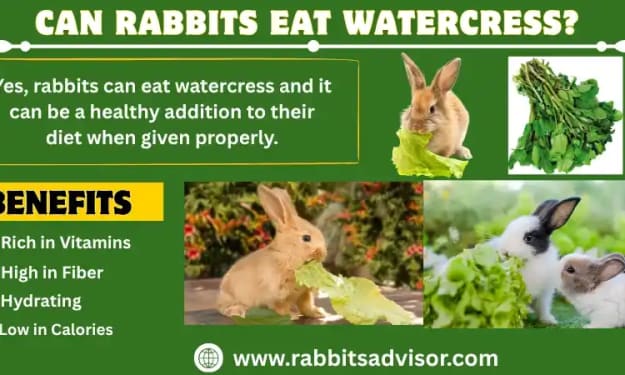
Do you ever know if rabbits can eat watercress? Feeding our rabbits is a deal. We need to make sure they eat lots of things to stay healthy. So, we look for foods that are safe and good like them. We might think about providing them herbs and greens like watercress. Can rabbits really eat watercress?
By Rabbits Advisor2 days ago in Petlife



Comments
There are no comments for this story
Be the first to respond and start the conversation.