
How Your Cat Actually Sees You – A Feline Perspective
Discover the Surprising Ways Cats Perceive Humans Through Sight, Smell, and Behavior

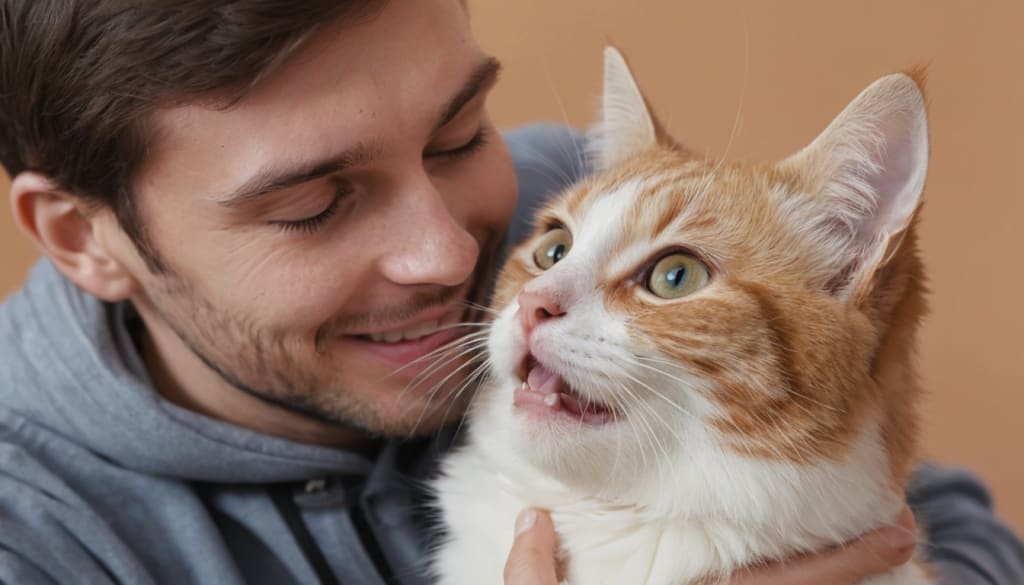
Cats are famously mysterious, and part of that mystery comes from how they perceive the world around them—including you. Understanding a cat’s perspective is essential for deepening your bond and interpreting their behavior accurately. Cats don’t see humans the way we see them; their vision, senses, and cognition shape a very different version of reality. From recognizing patterns to reading emotions, cats process their human companions in ways that are fascinating, sometimes hilarious, and occasionally baffling.
1. Cats See Less Color, But More Movement
Cats are not color-blind, but they perceive colors differently than humans. They see the world primarily in shades of blue and green, while reds and pinks appear more muted or grayish. Despite this limited color perception, cats excel at detecting motion. Even the slightest hand movement or twitch of your finger can catch a cat’s attention. This sensitivity explains why cats react quickly to gestures and moving objects, including the way you walk, wave, or reach for food.
2. Humans as Big, Gentle “Cats”
Cats often perceive humans as oversized, non-threatening members of their social group. Because humans don’t hunt or threaten them, cats integrate us into their “cat world.” This perspective explains why cats may knead your lap, rub against you, or sleep on you as if you were another cat. They interpret your scent, warmth, and behavior as familiar and comforting—essentially making you part of their extended social circle.
3. Recognition Through Smell
While humans rely heavily on sight, cats use scent to recognize individuals. Your unique body odor, combined with pheromones and the smell of your home, helps your cat identify you reliably. This is why cats may rub their cheeks or body against you: they are marking you as part of their territory and signaling familiarity. Scent is central to how a cat perceives and remembers you over time.
4. Heightened Awareness of Movements and Patterns
Cats notice patterns in human behavior that we might take for granted. They observe your daily routines, footsteps, gestures, and even facial expressions. A cat may anticipate when you are about to feed them, leave the house, or initiate play based on these patterns. They perceive you less as a single object and more as a predictable source of interaction and resources.
5. Cats Notice Emotional States
Cats are surprisingly attuned to human emotions. They can detect changes in voice tone, facial expressions, and body language. Many cats respond differently to happiness, anger, or sadness, often offering comfort or keeping distance depending on your mood. While not fully understanding human emotions, cats perceive patterns and cues that help them “read” you effectively.
6. Your Hands Are Enormous, Intriguing Objects
From a cat’s visual perspective, your hands are large, moving objects capable of causing sudden changes in the environment. Cats may play with your fingers, follow your hand movements closely, or respond with swipes or pounces. Understanding that your hands are seen as interactive tools or intriguing stimuli helps explain why cats may chase them during play or respond so strongly to gestures.
7. Cats See You as a Source of Comfort and Security
Humans often represent warmth, food, and protection in a cat’s perception. Your presence signals safety and stability, which is why cats enjoy sitting on laps, curling beside you, or even sleeping on your chest. They may interpret your consistent routines as predictable and reliable behavior, reinforcing their sense of security and social bond with you.
8. Facial Recognition Is Different in Cats
While humans rely heavily on facial features to identify others, cats rely more on a combination of scent, body language, and voice cues. Cats may recognize your face to some extent, but it is the combination of how you move, smell, and behave that truly tells them who you are. A familiar posture, clothing pattern, or gait may signal your identity more than your facial expression alone.
9. Humans as “Large, Slow-Moving Predators”
Cats also process humans as unusually large creatures compared to their natural prey. They notice your size and movement but rarely perceive you as a threat if you are consistent in your behavior. Sudden, erratic motions may trigger hunting or defensive instincts, while calm, predictable actions signal safety. This partly explains why cats can appear cautious or aloof at first when meeting a new person.
10. Bonding Through Shared Signals
The way your cat sees you combines instinct, observation, and learned association. They interpret your behaviors, routines, and interactions to decide when to engage, play, or rest near you. Mutual recognition grows over time, creating a bond that blends human and feline understanding. While you might see your cat as a pet, they see you as a familiar, interactive presence in their world—a combination of caregiver, companion, and social partner.
Cats perceive humans in ways that are part instinct, part learned behavior, and part affection. They notice movement more than color, rely heavily on scent, and evaluate your routines and emotions. Recognizing these differences allows owners to better understand and communicate with their feline companions. Next time your cat stares at you, follows your movements, or curls up on your lap, remember—they are observing you with a perspective that is uniquely cat
About the Creator
Algieba
Curious observer of the world, exploring the latest ideas, trends, and stories that shape our lives. A thoughtful writer who seeks to make sense of complex topics and share insights that inform, inspire, and engage readers.
Wisteria Woo RIP
Wisteria Woo Silver~Rhodesian Ridgeback Cane Corso mix~ 7.19.15-3.2.26 My service dog, Wisteria, had been slowing down, having mysterious health symptoms like severe hives and unexplained injury. She went to the vet last month, but unfortunately, not all tests detect all problems. When we returned to the vet yesterday, upon much more concerning symptoms suddenly appearing, we learned she had a very large mass (10inx10in) likely the very aggressive hemangiosarcoma, and that we would only be buying a few months if we went through with treatment.
By K.B. Silver 27 days ago in Petlife
Are Maine Coon Cats Hypoallergenic? 10 Myths And Truths
Are Maine Coon Cats Hypoallergenic? 10 Myths You Should Stop Believing Maine Coon cats are one of the most breeds in the world. Their large size, fluffy fur, and friendly personality make them irresistible. But many people wonder: are Maine Coon cats hypoallergenic?
By Anna Smith6 days ago in Petlife
You Should Stop Trying to Be a Better Person
A year ago, I spent two days in the Colombian mountains drinking ayahuasca as part of a spiritual ceremony. An experience that pulled apart every detail of my being and rearranged me in a new sequence. I wish that life became easier after the feat. It didn’t.
By Annaise Michelle8 days ago in Humans




Comments
There are no comments for this story
Be the first to respond and start the conversation.