
Why Cats Protect Their Humans – Surprising Feline Instincts
Uncover the Science and Behavior Behind Your Cat’s Protective Nature

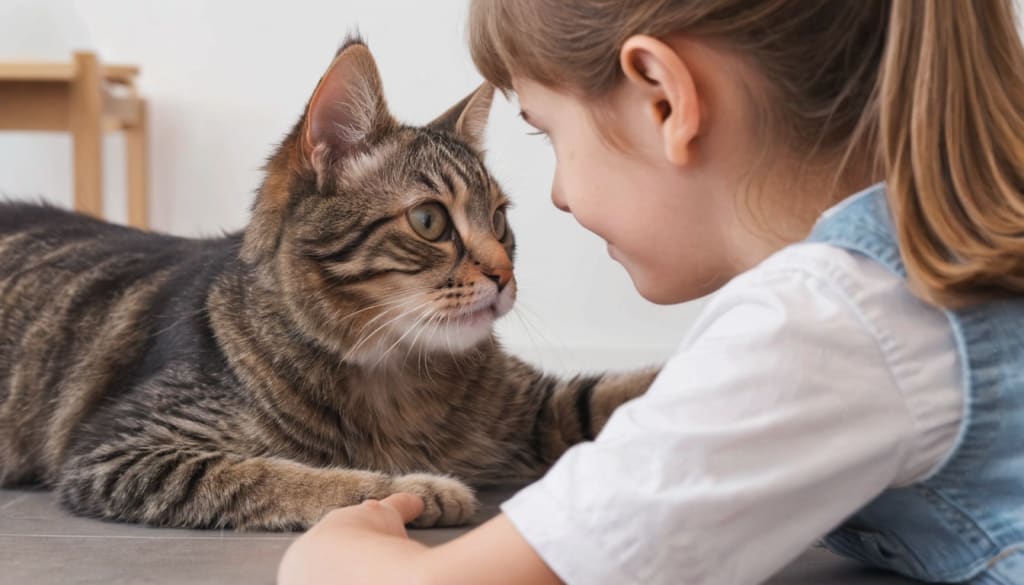
Cats are often seen as independent, aloof, and mysterious, but many cat owners have experienced moments when their feline companions seem to act as guardians. From hissing at strangers to alerting owners to danger, cats display surprising protective behaviors. While dogs are famous for their loyalty and guarding instincts, cats have their own subtle ways of ensuring their humans’ safety. Understanding why cats protect their humans requires exploring feline instincts, social bonds, and behavioral patterns.
1. Territorial Instincts
Cats are naturally territorial animals. Their home is their safe space, and anyone entering that space is carefully monitored. Protecting their human can be an extension of defending their territory. When a cat hisses at a stranger or positions itself between you and a perceived threat, it is combining self-protection with human protection. Territorial instincts are deeply rooted in feline evolution, helping them survive in the wild and keep intruders away from their resources.
2. Strong Human Bonding
Cats form strong attachments to their owners. While their affection may seem subtle compared to dogs, it is powerful. Cats recognize routines, voices, and even the emotional state of their humans. When a cat senses distress, danger, or illness, its protective behavior may emerge naturally. This bond is reinforced over time by shared experiences, feeding routines, playtime, and care, creating loyalty that motivates cats to watch over their owners.
3. Heightened Sensory Awareness
Cats possess exceptional senses. Their vision is adapted for detecting motion, their hearing is highly acute, and their sense of smell is far superior to humans. These senses allow cats to detect subtle changes in the environment that humans might miss. Whether it’s an intruder, an unusual sound, or signs of potential danger, a cat can react quickly to alert its human. Many protective behaviors are based on these finely tuned sensory abilities, making cats surprisingly aware of their surroundings.
4. Protective Play Behavior
Some cats display protective instincts through play. This may seem counterintuitive, but behaviors such as pouncing, chasing, or swatting are rooted in predatory instincts. Cats practice these skills through play and can apply them when they perceive a threat. For example, a cat may bat at a crawling insect, hiss at a strange animal, or even follow a suspicious visitor closely. These actions are instinctive extensions of their natural hunting behavior applied in a social context with humans.
5. Empathy and Emotional Sensitivity
Cats are more emotionally perceptive than many realize. Studies suggest that cats can respond to human emotions, particularly stress or fear. A cat may approach, nuzzle, or stay close to an anxious owner, offering comfort and reassurance. Protective behaviors can also be motivated by empathy, as cats instinctively recognize when humans are vulnerable and respond in ways that can prevent harm or provide support.
6. Defensive Aggression When Threatened
Cats may display defensive aggression to protect their humans. This can include hissing, growling, swatting, or puffing up to appear larger. Such behaviors are natural defense mechanisms that deter potential threats. Even though cats are smaller than humans or intruders, the display of aggression communicates that they are aware and will defend their space and loved ones. It’s important to understand that these actions are rarely aggressive toward the owner; they are targeted toward the perceived threat.
7. Protecting Sleep and Rest
Many cats guard their owners during sleep. They may sleep beside you, on top of your chest, or at your feet. This behavior can be traced back to their wild ancestors, who monitored their group during rest periods to alert them of danger. Cats’ protective instincts extend into daily routines, and sleep is a vulnerable time when they naturally feel the need to watch over their companions.
8. Early Socialization and Learned Behavior
A cat’s protective nature can be influenced by early socialization. Cats raised in environments where they were cared for, exposed to various people, or trained to interact safely with humans are more likely to develop confidence and protective behaviors. Positive reinforcement and consistent care also encourage cats to engage in behaviors that support their human companions, from alerting to danger to guarding key areas of the home.
9. Unseen Danger Detection
Anecdotal evidence from cat owners suggests that cats sometimes sense health issues or emergencies before humans are aware. Some cats react to seizures, low blood sugar, or illness by staying close, meowing, or nudging their owner. While research is still emerging, these behaviors indicate that cats may detect subtle changes in smell, movement, or behavior associated with danger or medical issues, prompting protective responses.
10. The Subtle, Quiet Guardian
Unlike dogs, cats rarely display loud, overt protection. Their guarding is often subtle: sitting in a doorway, following you closely, observing strangers, or showing displeasure when an unfamiliar animal approaches. This quiet, watchful presence is a form of protection that aligns with a cat’s personality: cautious, intelligent, and vigilant. While it may not involve barking or chasing away intruders, it represents a nuanced and meaningful type of guardianship.
Cats protect their humans through instinct, sensory perception, emotional awareness, and learned behavior. While they may not chase burglars or bark alarms, their protective actions reflect deep bonds and remarkable abilities. From guarding sleep to alerting owners to danger, cats demonstrate that protection comes in many forms, often subtle, surprising, and profoundly loyal. Understanding these behaviors enhances the human-cat bond, revealing that beneath the aloof exterior lies a guardian quietly watching over you
About the Creator
Algieba
Curious observer of the world, exploring the latest ideas, trends, and stories that shape our lives. A thoughtful writer who seeks to make sense of complex topics and share insights that inform, inspire, and engage readers.
Wisteria Woo RIP
Wisteria Woo Silver~Rhodesian Ridgeback Cane Corso mix~ 7.19.15-3.2.26 My service dog, Wisteria, had been slowing down, having mysterious health symptoms like severe hives and unexplained injury. She went to the vet last month, but unfortunately, not all tests detect all problems. When we returned to the vet yesterday, upon much more concerning symptoms suddenly appearing, we learned she had a very large mass (10inx10in) likely the very aggressive hemangiosarcoma, and that we would only be buying a few months if we went through with treatment.
By K.B. Silver 27 days ago in Petlife


Comments
There are no comments for this story
Be the first to respond and start the conversation.