
10 Things You Do That Your Cat Hates – The Hidden Reasons Behind Feline Frustration
Learn the Common Habits That Annoy Your Cat and How to Avoid Them for a Happier Bond

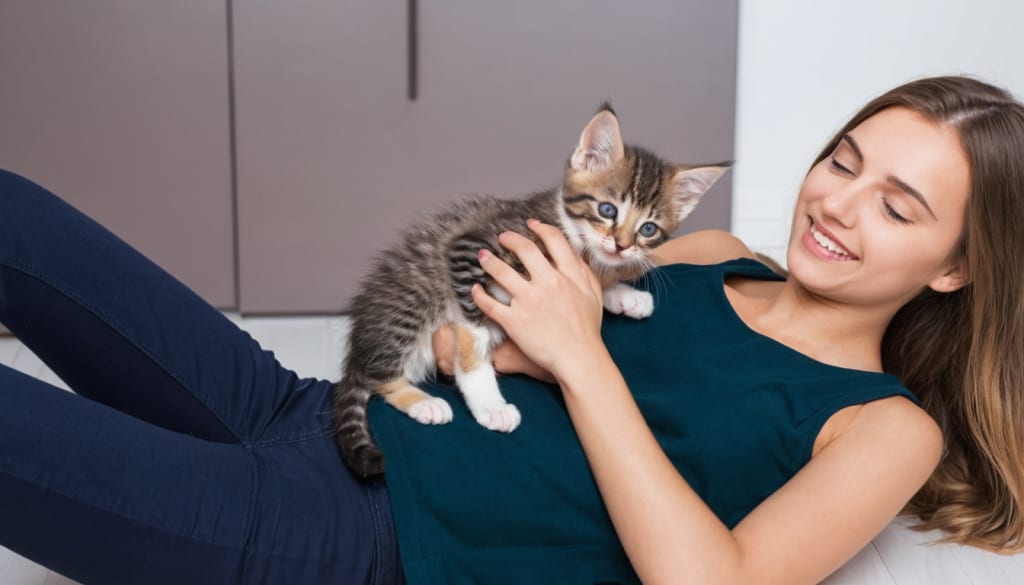
Cats are creatures of mystery, independence, and nuance. They may seem aloof, but behind their calm or playful demeanor lies a complex personality that notices every detail in its environment—including your actions. Even the most loving owners can unintentionally irritate their cats. Cats communicate mostly through subtle cues: body language, tail movements, ear positions, and vocalizations. Missing these signals can create stress, anxiety, or behavioral problems. Understanding what your feline dislikes allows you to strengthen your bond, improve their wellbeing, and enjoy a happier co-existence.
1. Over-Petting or Touching Certain Spots
Many cat owners believe that more petting equals more love, but cats have clear boundaries. While some cats adore head scratches or chin rubs, they often dislike belly rubs, tail touching, or overly vigorous back strokes. Overstimulation can trigger defensive behavior, including swatting, hissing, or even gentle nips. This is a natural response and not a reflection of your bond. Every cat has different tolerance levels, and observing their reactions during petting helps you identify their comfort zones. Some cats show signs of overstimulation with a twitching tail, flattened ears, or sudden turning of the head. Respecting these signals ensures that affection is always positive and reduces stress in your cat’s life.
2. Invading Their Personal Space
Cats are fiercely independent and value personal space. Unlike dogs, who often seek constant attention, cats require zones where they can feel secure. Crowding, cornering, or picking up a cat without consent can create fear and tension. Even well-meaning gestures, such as carrying them around or hovering over them while they eat or rest, can be perceived as a threat. Providing hiding spots, perches, and private areas where your cat can retreat is essential for their emotional health. A cat with a safe space feels secure and more likely to engage positively when ready.
3. Sudden Loud Noises
Cats have extraordinary hearing, capable of detecting frequencies far beyond human perception. Loud or unexpected noises—yelling, music, vacuum cleaners, or clattering objects—can startle and stress them. A frightened cat may hide, freeze, or exhibit defensive behaviors, which can escalate into aggression if the noise persists. Gradual desensitization, soft background sounds, or giving them access to quiet spaces can help reduce noise-related stress. Understanding your cat’s sensitivity to sound allows you to protect their wellbeing while maintaining household routines.
4. Ignoring Their Signals
Cats communicate constantly through body language. Tail flicking, ear positioning, dilated pupils, and vocalizations are all meaningful. Ignoring these cues is a common mistake among owners. For example, a flicking tail can signal agitation, hissing may indicate discomfort, and flattened ears often warn of potential conflict. Responding to these signals by giving space, adjusting handling, or redirecting attention shows respect for their communication and fosters trust. Learning to interpret these subtle messages is key to reducing frustration and improving your relationship with your cat.
5. Inconsistent Routine
Cats are creatures of habit. Sudden changes in feeding schedules, litter box placement, or playtime routines can cause stress and anxiety. Many cats thrive on predictability; a disruption may lead to behaviors such as vocalizing, scratching, or withdrawal. Even small variations, like moving furniture or introducing new household items, can trigger cautious or defensive responses. Maintaining consistency in daily interactions, feeding times, and play sessions helps your cat feel safe and confident. A structured environment is not just comforting but can prevent long-term behavioral issues.
6. Punishing or Yelling at Them
Cats do not respond well to punishment or loud scolding. Unlike dogs, who often seek to please their owners, cats are independent and interpret punishment as a threat. Negative reinforcement can create fear, mistrust, and even aggression. For example, yelling at a cat for scratching furniture may cause them to hide or escalate destructive behavior rather than correcting the action. Positive reinforcement, such as treats, praise, and redirection, encourages desirable behavior without causing stress. Understanding the psychology of cats is essential for effective, compassionate training.
7. Neglecting Grooming Needs
Cats are meticulous groomers, yet some require human assistance, particularly long-haired breeds. Mats, hairballs, and discomfort can arise from inadequate grooming. Even short-haired cats benefit from brushing to remove loose fur and stimulate blood flow. Regular grooming not only improves physical health but also strengthens trust. Many cats enjoy the tactile stimulation and consider grooming sessions bonding time. Ignoring grooming needs can lead to health issues, discomfort, and irritation, which may manifest as behavioral problems or aggression.
8. Disturbing Them During Sleep
Cats sleep 12–16 hours per day, often in several short naps. Sleep is essential for maintaining their physical and mental health. Waking a cat abruptly, especially during deep sleep, can cause stress and defensive reactions. Cats may hiss, swipe, or retreat if disturbed repeatedly. Allowing cats uninterrupted rest and providing quiet, cozy sleeping areas shows respect for their natural rhythms. Cats often choose to wake and interact on their own schedule, which should be accommodated for a harmonious relationship.
9. Not Providing Mental and Physical Stimulation
Cats are intelligent predators with a need for mental and physical activity. Lack of stimulation leads to boredom, stress, and problem behaviors, including scratching, excessive meowing, or destructive antics. Interactive play sessions, puzzle feeders, scratching posts, and climbing structures help satisfy these instincts. Even indoor cats require outlets for natural behaviors such as stalking, pouncing, and chasing. Providing appropriate stimulation not only prevents behavioral issues but also strengthens your bond as your cat associates you with enrichment and fun.
10. Overhandling or Forcing Interaction
Cats are independent and choose when to engage. Forcing interactions, such as grooming, cuddling, or play, when a cat is uninterested, can create resentment. Cats communicate readiness for engagement through body language—approach slowly, observe for signs of relaxation, and allow them to initiate contact. Respecting their autonomy encourages voluntary affection and builds trust. Over time, a cat that feels safe choosing when to interact will be more affectionate and playful, creating a healthier dynamic between pet and owner.
Understanding these behaviors allows cat owners to avoid common mistakes that irritate or stress their feline companions. Cats communicate subtly, and respecting their boundaries, providing consistent routines, stimulating their minds, and acknowledging their emotional needs are key to creating a happy and harmonious home. By recognizing and adjusting these ten everyday habits, owners can deepen the bond with their cat, reduce stress, and enjoy more rewarding interactions. Cats may seem mysterious, but their dislikes are predictable and can be addressed with patience, observation, and empathy.
Your cat’s happiness is closely tied to your awareness of its world. Avoiding behaviors that annoy them, providing enrichment, and respecting their communication cues ensures that your cat feels secure, loved, and confident. Whether it’s giving the right kind of petting, respecting personal space, or understanding emotional signals, these small adjustments transform everyday interactions into meaningful, stress-free companionship. By learning to read your cat’s signals and adjusting your actions, you honor their nature and strengthen the unique bond only a feline companion can offer.
Cats may seem aloof or independent, but they are constantly observing, learning, and responding to their environment—including you. Recognizing what they dislike is not just about preventing conflict; it’s about creating an environment where your cat can thrive, express natural behaviors, and enjoy life with you as a trusted companion. The effort is rewarded with affection, trust, and the subtle, charming quirks that make cats endlessly fascinating and lovable
About the Creator
Algieba
Curious observer of the world, exploring the latest ideas, trends, and stories that shape our lives. A thoughtful writer who seeks to make sense of complex topics and share insights that inform, inspire, and engage readers.
Wisteria Woo RIP
Wisteria Woo Silver~Rhodesian Ridgeback Cane Corso mix~ 7.19.15-3.2.26 My service dog, Wisteria, had been slowing down, having mysterious health symptoms like severe hives and unexplained injury. She went to the vet last month, but unfortunately, not all tests detect all problems. When we returned to the vet yesterday, upon much more concerning symptoms suddenly appearing, we learned she had a very large mass (10inx10in) likely the very aggressive hemangiosarcoma, and that we would only be buying a few months if we went through with treatment.
By K.B. Silver 27 days ago in Petlife
Everything You Need To Know About The Calico Tabby Cat
Calico Tabby Cat: Everything You Need to Know About This Unique Feline If you’ve ever seen a calico tabby cat, you probably noticed how special and eye-catching it looks. With a mix of beautiful colors and striped patterns, these cats are truly one of a kind. But there’s more to them than just their appearance.
By Anna Smith6 days ago in Petlife
A Visitor's Guide To Victorian England
A Book Review Being interested in all things Victorian, I am constantly looking for books on the Victorian Era. In fact, I should admit that I am obsessed about ‘all things Victorian’. From the clothes worn by men and women, rich or poor, to how they lived, where they lived, what they ate and would (or would not ) drink, what kind of transport there was, who worked where, who went to school (and who didn’t), the list really is endless.
By Ruth Elizabeth Stiff7 days ago in BookClub



Comments
There are no comments for this story
Be the first to respond and start the conversation.