
Book Review: "Silent Film: A Very Short Introduction" by Donna Kornhaber
5/5 - what a beautiful little book about one of my favourite topics in the world!

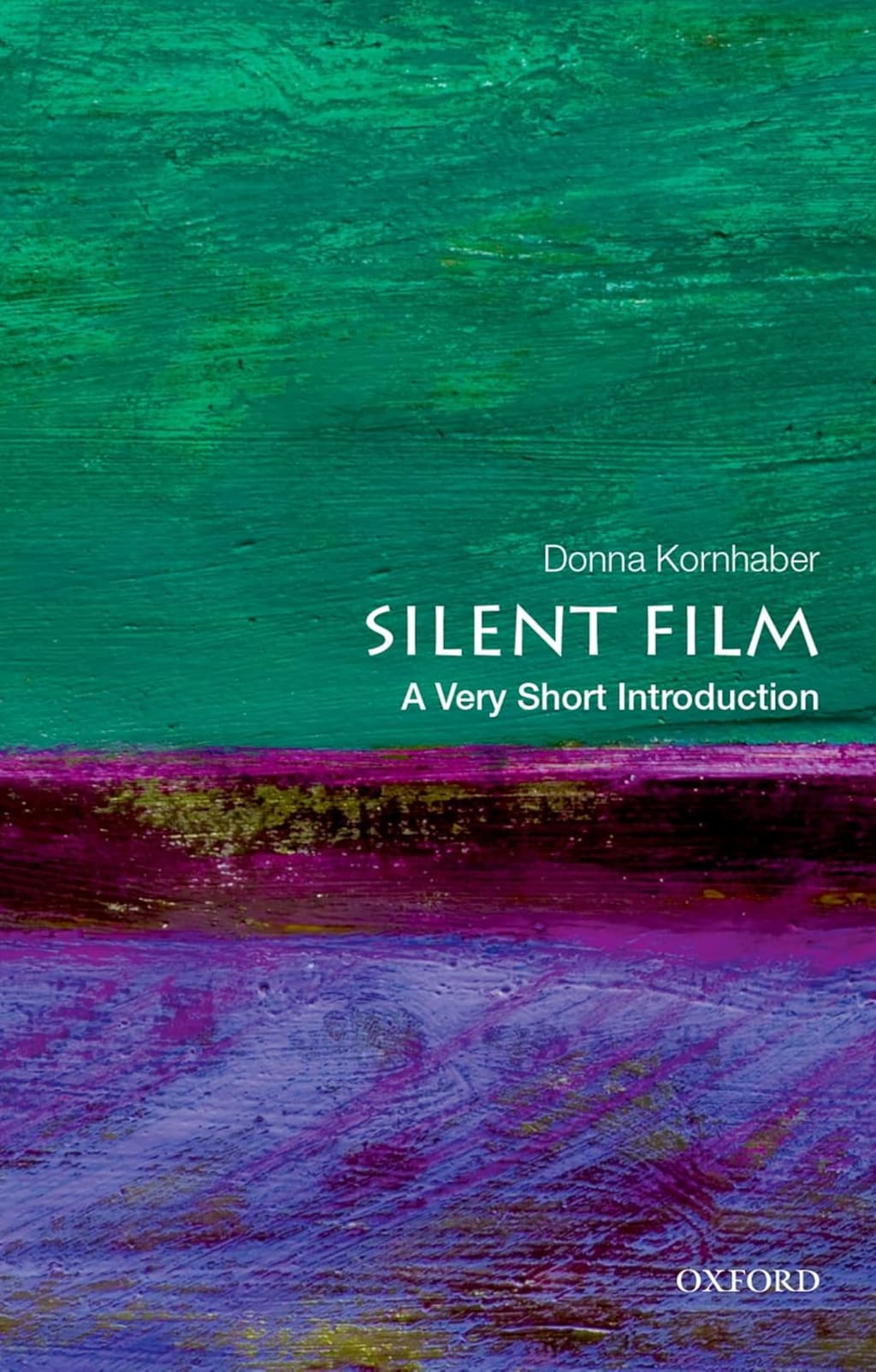
You all probably know how much I love silent movies. In my opinion there is something about older cinema that 21st century cinema simply cannot capture. Pre-1960 we had actors with multiple talents, great amounts of malleability and incredible charisma. Nowadays, I would say that is definitely feigning and films has become a lot more vapid, about the 'star quality' and how much plastic surgery one person can get rather than the actual acting talent of the individual. Silent film is the one era of film that cinema has to thank for being the start of it all. From 1895 to the late 1920s, we saw great amounts of changes and business going on and Donna Kornhaber captures it all.
The book starts off by detailing what is meant by silent film, the years and the ways in which film actually made leaps and bounds during this era which had little to do with sound. Instead, silent film's progress was heavily reliant on things like storytelling and editing, two mediums which would be more internationally studied than simply revolving around somewhere like Hollywood which, thank god, didn't exist yet. Some of us who believe in the international qualities of the medium mark the death of cinema with the rise of commercialist Hollywood for this reason. Around about the mid-1960s, film became more of an 'American corporation' than actually about being any good and so, the quality of it and its progresses began to decline. But, until the end of the 1920s, there was still much exploration and experimentation to be done and, there were a whole host of people involved in doing it. Even my favourite director, F.W Murnau, gets mentioned!
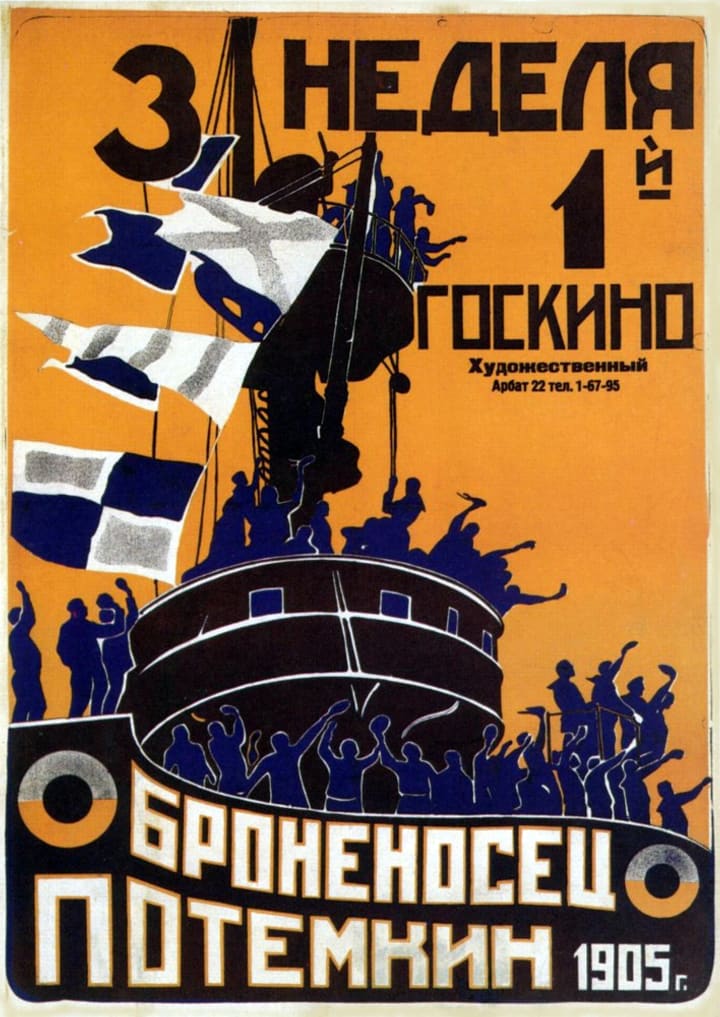
The author makes a point of going through how different countries around the world contributed to the progression of the industry. Eisenstein for example, was someone who championed editing and how editing can help tell the story, frame the shots and move the movie in terms of fluency. One great film that the author mentions in this filmmaker's bibliography is Battleship Potemkin (if you haven't watched this film then I suggest you do. I have it in its restored version on DVD and it's fantastic). The way the author goes through the editing techniques championed by Russia moves us into the way Germany etc. studied how to create stories out of films (yes, we are moving into my special interest territory!). I think that it is so important to remember cinema before it was taken over by corporate America because even American cinema before Hollywood was fantastic. Many of the editors studied DW Griffith and if you just don't pay any attention to Birth of a Nation, then that's pretty good.
We get a good look at the first ladies of Hollywood and who they were. Lillian and Dorothy Gish, Mary Pickford and many more were the actresses who graced early American cinema. But apart from this we had the men who graced the movies as more and more film companies accepted that women were a large majority of the audience for cinema (since men were either at work or at war), and so good looking men were a must for the screen. Enter: Rudolph Valentino. Personally, I'm more of a Charlie Chaplin girl, but whatever you're into, I guess. As the American cinema began to consolidate its power it also relied on the exodus of people coming from all over the world. We have the British theatre actors moving to America and of course, the poor German filmmakers who were told to adapt or die in what must have been a nightmare situation.
The Jazz Singer may have brought sound to the American screen but there were still many filmmakers who were on the fence about adapting it. I guess we could look at this to how we see films adapting 3D or IMAX technology today - there are some filmmakers who enjoy playing with it and some that would rather stay away. Be that as it may, we cannot deny the fact that Jean Renoir, Sergei Eisenstein, FW Murnau, Charlie Chaplin, DW Griffiths and many, many more contributed to a world of commercial moving pictures in a world that has unfortunately started to forget about them. So, if you can, watch a silent movie today (a lot of them are free on YouTube if you can't buy the DVD). Pay these people the respect they deserve and remember them for all they did for the medium.
About the Creator
Annie Kapur
I am:
🙋🏽♀️ Annie
📚 Avid Reader
📝 Reviewer and Commentator
🎓 Post-Grad Millennial (M.A)
***
I have:
📖 300K+ reads on Vocal
🫶🏼 Love for reading & research
🦋/X @AnnieWithBooks
***
🏡 UK
Keep reading
More stories from Annie Kapur and writers in Geeks and other communities.
The Big Book Review: "Thinking, Fast and Slow" by Daniel Kahneman (Pt.3)
Read Parts 1 and 2 here: Welcome back to this series on Thinking, Fast and Slow by Daniel Kahneman, part of the 'Big Book Review' in which we look at sections of a book every month in extreme detail, focusing on what they have to teach us about their topics. Part 3, entitled Overconfidence looks at what businesses, experts and individuals may overlook or misread due to their own faith in themselves. A more extreme and intricate form of the 'Dunning-Kruger Effect'. If you haven't read parts 1 and 2 then I suggest you read those before continuing, of course these articles will cross-reference each other and ideas from previous chapters are not going to be re-explained unfortunately (for the sake of length and word count).
By Annie Kapur6 days ago in Geeks
Halloween Ends
Michael Myers can never look weak. Halloween fans reject this mantra as they reject this with the current Halloween Ends. Laurie should never have over powered Michael. If you are not a complete dumbass you noticed Michael was overpowering Cory; then he finally tripped and fell. I maintain Michael let Cory take the mask. You have to tell us Michael allowed Cory to take the mask. Michael got fucked up by an entire town in Halloween Kills only to slaughter half the fucking town. It also needed to be revealed that Michael was only pretending to be as weakened as he was when Michael killed Cory. This should have been a realization, that he chose hate and carnage over love and healing. An overbearing mother, a town turning you into their boogeyman, and being bullied sucked plenty. It was quite understandable why Cory was upset. However, he was shown plenty of love by his stepfather Ronnie and Allyson. Laurie even helped Cory stand up to the bullies.
By DJ Robbins7 days ago in Geeks
GRANDMA NELSON
Daddy pulled off the interstate, and I saw the all familiar red barn, and I knew we had arrived at Grandma Nelson's farm. I always had mixed feelings about seeing my Grandmother. It seemed she had as many Grandchildren as the old Mother in the shoe nursery rhyme. I saw her as different, but that is not why I hestiated. The truth be known I always got in trouble at her house, and ended up sitting in the car after I had been scolded.
By Susan Payton5 days ago in Fiction


Comments (1)
This sounds very interesting and one for me to contemplate