
Advantages and Disadvantages of Paint Protection Film
For many people, a car is more than just a means of transportation; it's an important part of everyday life and a significant investment. A car's appearance depends directly on the condition of its paint. Over time, small scratches, stone chips, chemicals, sunlight, and other environmental factors accumulate on the bodywork. To protect their car's surface, car owners are increasingly turning to special protective films. However, this solution has both advantages and disadvantages.

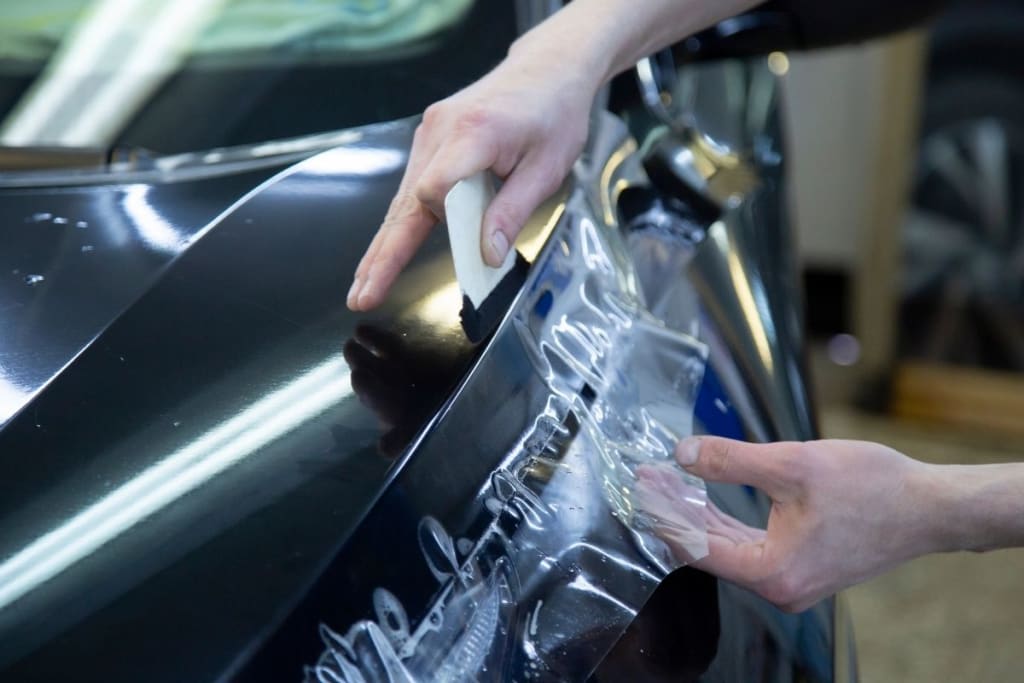
What is paint protection film?
Paint protection film is a transparent or lightly tinted material that is applied to the surface of the car's body. The film's primary purpose is to protect the paint from mechanical damage and adverse environmental conditions. Two types of film are most commonly used: polyurethane and vinyl. Polyurethane film is considered more durable and long-lasting, while vinyl film is typically used for decorative purposes and is less expensive. Professionals apply film under specific conditions because the process requires precision, experience, and specialized equipment.
Advantages of protective film
1. Protection against scratches and stone chips
One of the main advantages of the film is its protection of the vehicle body from mechanical damage. While driving, small stones, sand, and road grime can be picked up by the vehicle's undercarriage and cause stone chips. The film absorbs impacts and prevents paint damage. This protection is especially important for the front of the vehicle: hood, bumper, side mirrors, and fenders.
2. Preserving the vehicle's design
The protective film helps maintain the vehicle's original appearance for many years. The paint is less susceptible to wear and tear, so the body looks newer and better maintained for longer. This is particularly important for owners of new or premium vehicles. Furthermore, the transparent film is virtually invisible on the vehicle's surface and doesn’t alter its appearance.
3. Self-healing of minor damage
Modern polyurethane films exhibit self-healing properties. This means minor scratches can disappear under heat, for example, from sunlight or hot water. The film's surface is smoothed, restoring the vehicle's pristine appearance. This feature significantly extends the coating's lifespan and makes application particularly easy.
4. Protection from chemicals
Winter roads are often covered in chemicals that can damage a car's paint. The film forms a barrier between the body and these aggressive chemicals, protecting the paint from damage. It also protects the car from bird droppings, tree sap, and other contaminants that can discolor the paint.
5. Increased value
A well-maintained vehicle can significantly increase its resale value. Buyers often pay attention to a vehicle's appearance. Well-preserved paintwork signals that the car has been carefully maintained. Therefore, a protective film can be considered an investment in preserving the car's value.
Disadvantages of protective films
1. High cost
One of the main disadvantages is the price. High-quality polyurethane film and professional application can be quite expensive. Full wraps can be quite costly, especially for larger vehicles or premium models. For some owners, this investment may therefore not seem justified.
2. Requirements for professional application
Applying the film requires a highly qualified professional. If the film is applied improperly, bubbles, creases, or unevenness can occur. In some cases, faulty application can even detract from the vehicle's appearance. Therefore, it is important to use only reputable and reliable service centers.
3. Limited lifespan
Despite the robustness of modern materials, protective film is not permanent. Over time, it can lose its transparency, yellow, or become damaged. The average lifespan of a high-quality polyurethane film is typically 5 to 10 years. After this time, replacement is recommended.
4. Doesn’t protect against serious damage
It is important to understand that the film doesn’t provide complete protection for the vehicle. While it effectively protects against minor chips and scratches, it can’t prevent serious damage from strong impacts or accidents. The film should be considered an additional protective layer.
5. Potential removal problems
Although a high-quality film should generally be removable without damaging the paint, difficulties can arise in some cases. This is the case, for example, if the film was applied improperly or if inferior material was used. Furthermore, with prolonged use, color differences may appear between protected and unprotected body panels.
About the Creator
Amelia Grant
I am journalist, and blogger.
Keep reading
More stories from Amelia Grant and writers in Wheel and other communities.
Can You Return a Leased Car Being Damaged?
If you're curious what happens if you return your rented automobile with minor damage, see your car lease agreement. Every lease expects you to return the automobile in about the same condition in which you received it. But some people are OK with minor scrapes or regular wear and tear. That is why the agreement will specify which damages are acceptable and which may result in legal consequences.
By Amelia Grant11 months ago in Wheel
When Is It No Longer Worth Fixing Your Car?
If your car has started giving you frequent problems, you’re not alone. Many car owners reach a point where repairs become more common and more expensive. At that stage, a common question comes up: is it still worth fixing the car, or is it time to move on? This decision can feel confusing, especially if you’ve owned the car for years. In this article, we’ll walk through clear signs and practical factors that can help you decide what makes the most sense financially and practically.
By Alec Johnsona day ago in Wheel



Comments
There are no comments for this story
Be the first to respond and start the conversation.