
Love Trap: When “Perfect” Isn’t Enough
A powerful new film explores the quiet emotional disconnect many women face—and the courage it takes to choose yourself.

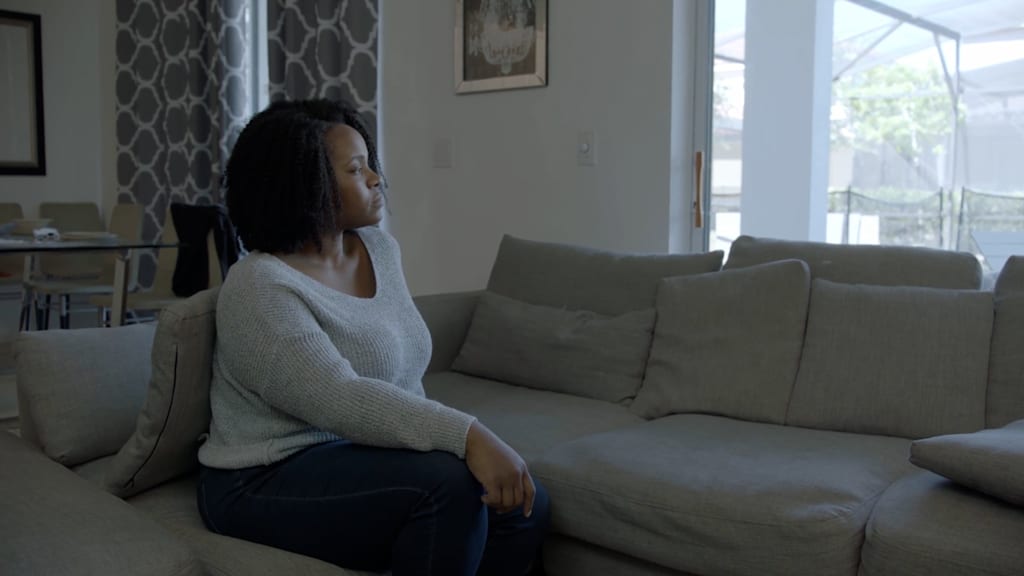
In an era where curated perfection dominates our feeds, the new film Love Trap arrives as a quietly powerful antidote—an emotionally charged reminder that what looks “perfect” on paper can still feel profoundly unfulfilling in real life. Written and directed by Tiana Woods and released by Breaking Glass Pictures, the film invites women to look beyond appearances and ask a more difficult question: Am I truly living for myself?
At the center of Love Trap is Stacy, portrayed with raw vulnerability by Jennifer Franklin. She is a devoted wife and mother whose life, from the outside, appears stable and secure. But beneath that carefully constructed surface lies a quiet unraveling. Stacy feels emotionally disconnected, not only from her marriage but from herself. It’s a feeling many women will recognize: the slow realization that somewhere along the way, their identity has been reshaped by expectations, responsibilities, and the desire to “get it right.”
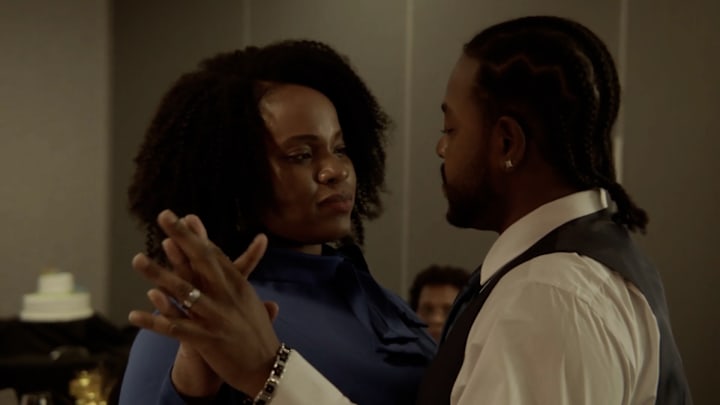
Stacy’s journey begins to shift when she meets Travis, played by Meco Hendrickson, whose presence introduces both excitement and uncertainty. But Love Trap resists becoming a simple story of temptation or betrayal. Instead, it asks a deeper question: is the desire for something new truly about another person or is it about reclaiming a part of yourself that has been lost?
What makes Love Trap especially compelling for women is its exploration of what director Woods calls “emotional confinement.” Unlike overt dysfunction, this kind of confinement is subtle. It doesn’t shout, it whispers. It hides behind routines, responsibilities, and even love itself. Stacy’s husband Kevin, portrayed by Brian Creary, isn’t a villain. He represents a traditional model of partnership built on stability and duty. He believes he is doing everything right. And yet, something essential is missing.
This dynamic reflects a reality many women face: relationships that aren’t toxic or abusive, but still feel limiting. The film challenges the idea that gratitude for stability should come at the cost of personal fulfillment. It reminds us that emotional needs are just as valid as physical or financial ones—and that ignoring them can lead to a quiet but profound loss of self.
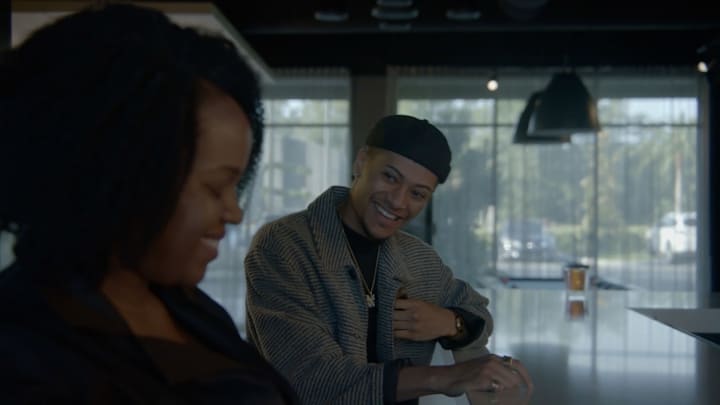
One of the most powerful takeaways from Stacy’s journey is the importance of self-awareness. Before she can make any life-altering decision, she must first confront an uncomfortable truth: she has become absent from her own life. It’s a moment of recognition that feels both devastating and liberating. For many women, this is the first step toward change. It is often not a dramatic leap, but a quiet acknowledgment that something isn’t right.
The film also offers a cautionary note about the allure of “escape.” Travis represents possibility, but he is not positioned as a savior. As Woods thoughtfully suggests, sometimes what feels like freedom is simply unfamiliarity. When we are emotionally depleted, even temporary relief can feel like clarity. Love Trap urges viewers to pause before making irreversible choices based on fleeting emotions. Growth, the film suggests, comes not from running toward something new, but from understanding what is missing within ourselves.

Visually, the film reinforces Stacy’s internal struggle through subtle yet powerful storytelling. Silence, distance, and framing become emotional cues, reflecting the space between who she is and who she once was. It’s a reminder that disconnection doesn’t always manifest in loud arguments or dramatic confrontations. Sometimes, it’s found in the quiet moments—the absence of intimacy, the routines that feel more like obligations than choices.
Ultimately, Love Trap evolves into a story about self-rediscovery. It shifts the narrative away from “Who will she choose?” to a far more meaningful question: Will she choose herself? That question resonates deeply, particularly for women who have spent years prioritizing others - partners, children, careers - often at the expense of their own identity.
The film doesn’t offer easy answers, nor does it prescribe a single path forward. Instead, it encourages reflection. What does love really mean? Are we acting with intention, or simply reacting to unmet needs? And perhaps most importantly, are we honoring the person we were before the world told us who we should be?

As Love Trap becomes available on streaming platforms April 7, it stands as more than just a relationship drama. It’s a mirror: one that invites women to look inward, reclaim their voice, and remember that choosing yourself is not an act of selfishness, but of courage.
About the Creator
Keep reading
More stories from Ben Nelson and writers in Viva and other communities.
Into the Noise
Miami’s underground electronic scene is about to get a jolt of raw, immersive energy. Enter Nosivel—the sonic alter ego of David Levison, whose live sets blur the line between industrial intensity, techno drive, and glitch-heavy experimentation. Known for building his music in real time using modular synthesis, Nosivel doesn’t just perform tracks, he constructs evolving soundscapes that feel alive, unpredictable, and deeply physical.
By Ben Nelson15 days ago in Beat
The Return of the Marquise: Why 2026 is the Year of the 'Royal' Silhouette
In the cyclical world of jewellery, what was once considered "old-fashioned" often returns with a renewed sense of vigour and sophistication. We saw it with the resurgence of yellow gold, and now, in 2026, we are witnessing the triumphant return of the marquise engagement rings. Originally commissioned by King Louis XV of France to resemble the perfectly shaped lips of the Marquise de Pompadour, this cut carries a romantic heritage that few other shapes can match.
By Mohd Kaish8 days ago in Viva




Comments
There are no comments for this story
Be the first to respond and start the conversation.