
Drone Video from Inside a Fukushima Reactor Reveals Hole in Pressure Vessel, Likely Fuel Debris
A rare glimpse inside the damaged reactor at Fukushima highlights the long road of nuclear cleanup and the challenges of managing one of history’s worst disasters
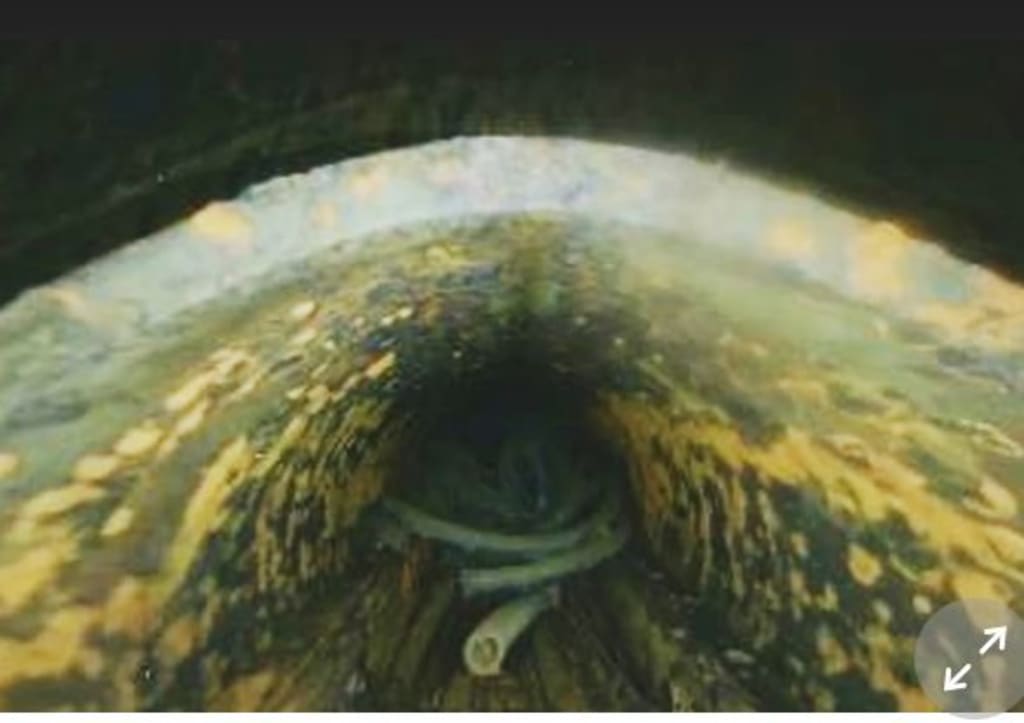
Introduction: A New Look Into a Sealed Disaster
More than a decade after the Fukushima nuclear disaster, scientists and engineers are still uncovering what lies within the damaged reactors.
In a recent breakthrough, drone footage captured from inside one of the reactors at Fukushima Daiichi Nuclear Power Plant has revealed a hole in the pressure vessel, along with what experts believe may be fuel debris—the melted remains of nuclear fuel.
The discovery offers one of the clearest views yet into the aftermath of the disaster—and a sobering reminder of the challenges that remain.
What the Drone Found
Using specially designed robotic drones capable of operating in high-radiation environments, engineers managed to explore previously inaccessible areas inside the reactor.
The footage revealed:
A visible hole in the reactor’s pressure vessel
Dark, solid material believed to be melted nuclear fuel debris
Structural damage consistent with the meltdown that occurred in 2011
The pressure vessel is a critical component of a nuclear reactor. It is designed to contain the fuel and maintain the high-pressure environment necessary for nuclear reactions.
Finding a breach in this structure confirms the severity of the meltdown—and helps explain how radioactive materials may have spread within the facility.
Understanding Fuel Debris
Fuel debris is one of the most dangerous and complex elements of nuclear cleanup.
During a meltdown, nuclear fuel rods overheat and melt, combining with surrounding materials like metal and concrete. The result is a highly radioactive, solid mass that is difficult to locate, analyze, and remove.
In the case of Fukushima Daiichi Nuclear Power Plant, experts believe that significant amounts of this material may have breached the pressure vessel and settled in lower parts of the reactor.
The drone footage provides valuable clues—but it also raises new questions about the exact location, composition, and stability of the debris.
Why This Discovery Matters
This is not just a technical milestone—it’s a critical step forward in a decades-long cleanup effort.
The operator of the plant, Tokyo Electric Power Company (TEPCO), has been working for years to assess the internal condition of the reactors.
Direct human inspection is impossible due to extremely high radiation levels. That’s why robotic technology plays such a vital role.
The new footage helps:
Improve understanding of reactor damage
Inform strategies for debris removal
Reduce uncertainty in the cleanup process
However, it also highlights just how complex and dangerous the situation remains.
A Long and Difficult Cleanup Ahead
The cleanup of Fukushima is expected to take decades—possibly up to 40 years or more.
One of the biggest challenges is safely removing the fuel debris without releasing additional radiation into the environment.
This process requires:
Advanced robotics
Precise planning
Continuous monitoring
Even small mistakes could have serious consequences.
The discovery of a hole in the pressure vessel adds another layer of difficulty, as it suggests that debris may be located in hard-to-reach areas.
The Role of Technology in Nuclear Recovery
The use of drones and robots marks a significant evolution in how nuclear disasters are managed.
These machines are designed to:
Withstand extreme radiation
Navigate tight and hazardous spaces
Capture high-resolution images and data
Without them, gaining insight into the reactor’s condition would be nearly impossible.
This technological progress is not only helping Fukushima—it is also shaping how future nuclear incidents may be handled.
Environmental and Safety Concerns
Despite progress, concerns remain about the long-term environmental impact of the disaster.
Radioactive contamination from Fukushima affected land, water, and communities in the surrounding region.
Efforts to manage contaminated water and prevent further leaks are ongoing, and the presence of fuel debris continues to pose risks.
The latest findings underscore the importance of careful, transparent management of the cleanup process.
A Reminder of the 2011 Disaster
The Fukushima nuclear disaster was triggered by a powerful earthquake and tsunami that struck Japan in March 2011.
The natural disaster led to a loss of power at the nuclear plant, causing cooling systems to fail and reactors to overheat.
The resulting meltdowns released radioactive materials and forced the evacuation of thousands of residents.
More than a decade later, the consequences are still being addressed.
Global Implications for Nuclear Energy
The Fukushima disaster—and ongoing discoveries like this one—continue to influence global attitudes toward nuclear energy.
Some countries have scaled back their nuclear programs, while others are investing in safer, next-generation technologies.
The key challenge is balancing the need for low-carbon energy with the risks associated with nuclear power.
Incidents like Fukushima serve as powerful reminders of what can go wrong—and why safety must remain a top priority.
Conclusion: Progress, But No Easy Answers
The drone footage from inside the Fukushima Daiichi Nuclear Power Plant offers a rare and valuable glimpse into a place few have ever seen.
It confirms the severity of the damage, reveals new details about fuel debris, and moves the cleanup effort one step forward.
But it also highlights the scale of the challenge ahead.
Fukushima is not just a story of disaster—it is a story of ongoing recovery, innovation, and resilience.
As scientists continue to explore the reactor’s interior, each new discovery brings both answers and new questions.
And for the world, it serves as a lasting reminder: the consequences of nuclear failure are complex, long-lasting, and still unfolding.
About the Creator
The Forsyth House Fire
Since 1851, Forsyth House has stood on the corner of Union Street and Gordon Street in the heart of Glasgow. Its iconic, or was... because on Sunday 8th of March, 2026, a fire broke out in a small, seemingly un-named shop in the building and tore all that history down. As I write, the rubble is still unsettled and the street is still blocked off. Central Station is quiet on the upper level, and around 30 small businesses have quite literally gone up in smoke.
By S. A. Crawford18 days ago in The Swamp
Iran Strikes Saudi Air Base: Destruction of U.S. Warning Radar
Introduction Rising tensions in the Middle East reached a dangerous new level after Iran launched a coordinated missile and drone attack on the Prince Sultan Air Base in late March 2026. The base, a key hub for U.S. military operations in the region, became the center of global attention following reports that a critical American radar aircraft was severely damaged—or possibly destroyed.
By shaoor afridia day ago in The Swamp


Comments
There are no comments for this story
Be the first to respond and start the conversation.