
How do I start my own private label with a hair extension manufacturer?
From Salon to CEO: How do I start my own private label with a hair extension manufacturer?

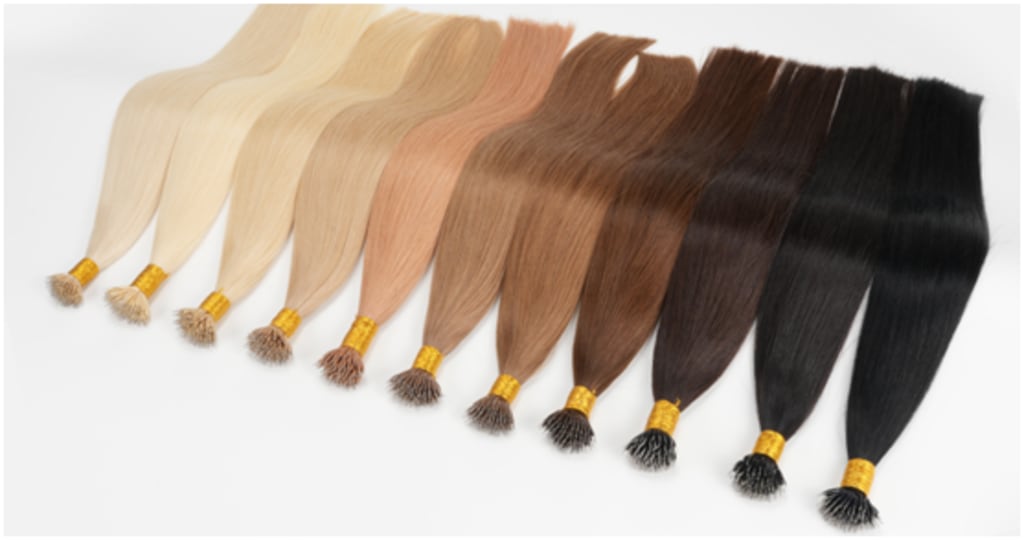
From Salon to CEO: How do I start my own private label with a hair extension manufacturer?
Launching private label hair extensions takes you from a service-based stylist to a scalable brand owner. This "Salon to CEO" shift builds real equity. Working with a proven hair extension manufacturer puts an end to trading time for money. To start this transition, you first need to understand the technical business models that will shape the foundation of your new empire.
Understanding the Business Models: White Label vs. Private Label vs. OEM
Launching your brand starts with choosing the right supply chain approach. White Label vs. Private Label is the usual starting point, but OEM adds a whole extra layer. These models shape your upfront costs, how much control you have, and how quickly you can get to market. A tight budget calls for something off the shelf. A bigger vision means custom engineering. Pick wrong, and capital disappears fast. Once you’ve chosen a model, the next move is finding a partner who can actually deliver on it. First, here’s the fastest way to get to market.
White Label: The Fastest Path to Launch
Need to launch fast? Go white label. It’s the ultimate off-the-shelf setup. Manufacturers make proven, ready-to-sell extensions and just put your brand name on them. You skip product development entirely.
This setup works best when cash flow is tight. Since the factory already makes these at scale, you get a much lower MOQ (Minimum Order Quantity). You can order smaller batches and test your market right away. For new entrepreneurs, white label hair avoids the huge upfront costs of custom production.
But speed comes with a trade-off. You’re selling the exact same product as everyone else. Quality, textures, and designs are fully standardized. You control the marketing, not the specs. To really stand out, you’ll eventually need to move beyond standard catalogs and step into the customization that private labeling offers.
Private Label: Building a Signature Feel with Bono Hair
Private labeling gives you real control over the product. You still work from a manufacturer’s existing lines, but you decide the variations. You pick the exact hair grades, densities, and origins.
This is where brand equity starts to build. Working with an expert like Bono Hair helps you turn a standard product into a premium experience. Custom packaging, silk tags, and tailored color rings turn basic bundles into a brand people recognize. Customers are willing to pay more for that full experience.
Your upfront investment goes up here. MOQs are higher because the factory adjusts its production line for you. But your profit margins grow too. You own the customer loyalty. Still, private labeling only lets you tweak existing designs. If your vision includes creating a completely new cap construction or a new attachment method, you’ll need to shift to the more complex OEM/ODM route for truly original products.
The "Hey Dear" Filter: Vetting Your Hair Extension Manufacturer
Finding a reliable hair extension supplier starts with ignoring the spam. Every brand owner gets those generic "Hey dear" Instagram DMs promising top-tier bundles. Just delete them. Legit factories don't chase wholesale accounts in your comment section.
A real manufacturing partner needs serious vetting to protect your brand reputation and your money. You need a strict quality control (QC) framework to tell real factories apart from middlemen working out of an apartment. Verifying international facilities means looking beyond slick websites and asking for hard proof of production capabilities. It really comes down to asking the right technical questions. And it starts with a strict scorecard.
The 10-Point Vetting Scorecard for B2B Buyers
Your supply chain lives or dies by the questions you ask upfront. Stop asking "Is this good quality?" Ask for technical specs instead. A legit manufacturer will answer without hesitation.
Ask for their SGS certification or a similar third-party audit report. This shows the factory actually exists and meets global labor and safety standards. Next, dig into sourcing. Ask exactly how they collect single-donor hair. If they can't clearly explain their raw material process, they're probably buying scraps from floor sweeps.
Request a live video tour of the production floor, not some pre-recorded promo. Watch for real machinery and dedicated workstations. Ask about their defect rate and return policies for bulk orders. Get their exact monthly production capacity. If they claim huge output from a tiny space, that's a red flag. Simple.
Getting the right answers on paper is just step one. Real verification means knowing what chemical shortcuts a factory might use to fake premium bundles.
Red Flags: How to Spot "Acid-Bathed" Hair Before Buying
Low-quality factories hide bad hair with heavy chemicals. They strip non-remy hair using harsh acids to remove tangled cuticles, then coat the strands with silicone. That's acid-bathed hair. It feels super soft right out of the box, but that coating washes off after three shampoos. What’s left? A tangled, unusable mess that wrecks your brand reputation.
True premium extensions need perfect cuticle alignment. Every strand has to face the same direction from root to tip. That’s what keeps the hair intact and wearable for 1–2 years with proper care.
Ask your supplier directly if their hair goes through acid baths. If they hesitate or quote a suspiciously low price, walk away. You can't build a loyal customer base on chemically disguised floor scraps. To verify what they actually sent, you’ll need to run the hair through a tough sample testing process.
The Definitive Sample Testing Protocol: Beyond the "Burn Test"
Holding a flame to a strand of hair doesn’t prove much. A basic burn test only shows whether the material is plastic or organic. It says nothing about how long it will last.
Real "CEO-level" standards call for a strict technical process. Start with aggressive shedding checks. Run a fine-tooth comb through the wefted tracks exactly 50 times. Then count the strands that come out. More than 10 hairs? Reject it. Genuine 100% Remy Human Hair holds up.
If the samples clear these first stress tests, you can move from product development into financial planning. But before that, the hair has to handle real-life use.
The 30-Day Wear and Wash-and-Air-Dry Challenge
Real quality starts to show after the third wash. Have a tester wear the extensions nonstop for exactly 30 days.
Tell them to wash the hair twice a week with a standard sulfate-free shampoo. Key step: skip the blow dryer. Let it air-dry fully. This removes any temporary silicone coating. If the sample turns into a tangled mess by day 15, cut ties with the supplier right away.
High-grade bundles keep their original texture and signature feel without constant heat styling. Pay close attention to the nape of the neck. Daily friction there makes cheap cuticles snag and tangle fast.
A seamless blend matters just as much as durability. The extensions should lay flat and move naturally with the wearer’s own hair during workouts and sleep.
Lasting a full month of heavy wear shows the cuticles are in good shape. But checking the raw chemical history takes something tougher. Time to move on to the bleach test.
Financial Blueprints: What Does a Private Label Launch Actually Cost?
Your startup budget shapes your next move. A wholesale, inventory-based model needs layered capital. Tier one starts around $2,500 for basic stock. Tier two goes beyond $10,000. Knowing your exact budget helps you pick your first product lineup with intention.
The Hybrid Launch Model: Starting with 3 Hero SKUs
Keep financial risk low. Smart SKU control means limiting your first drop. Stick to three proven sellers—like 18" and 22" tape-ins. The right niche beats a huge variety. Focusing on three core products brings in cash quickly. Once those are solid, move into your visual branding phase with confidence.
Designing Your Brand Identity: From Logo to Luxury Packaging
Clients won’t pay top dollar for hair extensions shoved into a cheap plastic bag. They’re buying a luxury experience. Your visual identity directly sets your price. A premium logo builds instant trust with new buyers. Clean, polished aesthetics signal that your product belongs in high-end salons, not discount bins. But strong visuals only work if they’re done right. You need real brand support to turn digital ideas into something physical. That means working with a manufacturer that actually produces your packaging.
Why Bono Hair is the Ideal Partner for Custom Branding
Most wholesale suppliers just send out raw inventory. Bono Hair does things differently. They step in as a full production partner. You get instant access to premium silk bags that elevate the entire unboxing experience.
Want your salon’s name on every bundle? They create durable custom tags for each piece. And getting the packaging right is only part of it. You also get full visual support, including high-resolution marketing content for your website and social media.
This setup turns generic inventory into a polished, high-ticket brand. But great packaging and strong visuals aren’t enough if someone can copy your identity. A great-looking brand also needs legal protection.
Legal and Compliance: Protecting Your CEO Status
Great packaging won’t matter if someone else grabs your name. **Trademarking** locks in your brand identity. It stops copycats from selling under the reputation you worked for. Ignore this, and your whole investment is on the line. But protecting your name is only part of it. You also need to prove what’s inside the box.
Navigating Product Regulations
Federal rules set strict **compliance** standards for physical products. **Hair grade labeling** can’t be misleading. If you sell human hair, tags must show exact percentages and origins. Fail an audit, and your inventory can get seized. Handle these legal pieces early. Once that foundation is in place, you can move into the final 30-day launch roadmap.
The 30-Day Launch Roadmap: From Niche Selection to Influencer Seeding
Thirty days. That’s all it takes to turn vetted hair extensions into a live, revenue-generating brand. Preparation beats panic every time. Break your launch into weekly sprints, and you stay fully in control of the process. First step: lock in your audience and build a clean, high-functioning online storefront.
Weeks 1-2: Data and Digital Footprint
Start with focused **Market Research**. Figure out exactly who’s buying your specific extensions. Then build your **Digital Presence**. Grab your domain and set up a simple, polished e-commerce store. Upload sharp, high-resolution product photos. A smooth, easy-to-use website builds instant trust. Once everything looks right, you’ll need social proof.
Weeks 3-4: Seeding and Launch
Roll out your **Influencer Seeding** strategy. Send free bundles to micro-influencers who closely match your target audience. Ask for honest video reviews. Real user-generated content helps drive those first conversions. Then open the cart to paying customers. That’s the shift. You’ve moved from working stylist to strategic CEO.
Frequently Asked Questions About Starting a Hair Brand
Do you need a license to sell hair extensions?
No. You need a standard local business license to collect taxes. That is it. Zero special beauty permits required just to move physical inventory.
Who owns private label extensions?
You do. The factory produces the hair, but your company owns the trademark, packaging, and the customer relationship. You just outsource the manufacturing headache.
What is the difference between OEM and ODM hair manufacturers?
OEM builds hair products to your exact custom specifications. ODM sells you their pre-designed catalog items with your logo slapped on. OEM requires massive minimum orders. ODM is cheap and fast.
Can you sell hair extensions without being a certified cosmetologist?
Yes. Selling hair is purely retail. You only need a state board license if you plan to physically install them on a human head. Retail is a free-for-all.
About the Creator
Alex Morgan
Written by Bono Hair’s content team — experts in professional hair replacement solutions and advocates for confidence, authenticity, and self-expression through modern hair systems.
Keep reading
More stories from Alex Morgan and writers in Styled and other communities.
The Secret to Making a Georgette Salwar Look Premium
Salwar kameez in georgette is very well known for its soft flow and elegant charm. But not every outfit naturally reads premium. The thin line between an ordinary aesthetic and a luxurious, designer look is often crossed with subtle styling tips rather than excessive layers of embellishment.
By Amit Mandal5 days ago in Styled
Sea Creatures Coaster Crochet Pattern - Fun & Creative Handmade Trend to Try
Crochet is no longer limited to traditional designs it has evolved into a creative space where fun, themed projects are taking over. One of the most exciting trends right now is the sea creatures coaster crochet pattern. From cute octopuses to playful turtles, these designs bring a refreshing twist to everyday crochet projects.
By Amit Mandal5 days ago in Styled
A Visitor's Guide To Victorian England
A Book Review Being interested in all things Victorian, I am constantly looking for books on the Victorian Era. In fact, I should admit that I am obsessed about ‘all things Victorian’. From the clothes worn by men and women, rich or poor, to how they lived, where they lived, what they ate and would (or would not ) drink, what kind of transport there was, who worked where, who went to school (and who didn’t), the list really is endless.
By Ruth Elizabeth Stiff7 days ago in BookClub



Comments
There are no comments for this story
Be the first to respond and start the conversation.