
Escalation in the Iran-Israel-Lebanon Crisis: Latest Developments and Human Impact, March 2026
NonStop Wars In 2026

Introduction
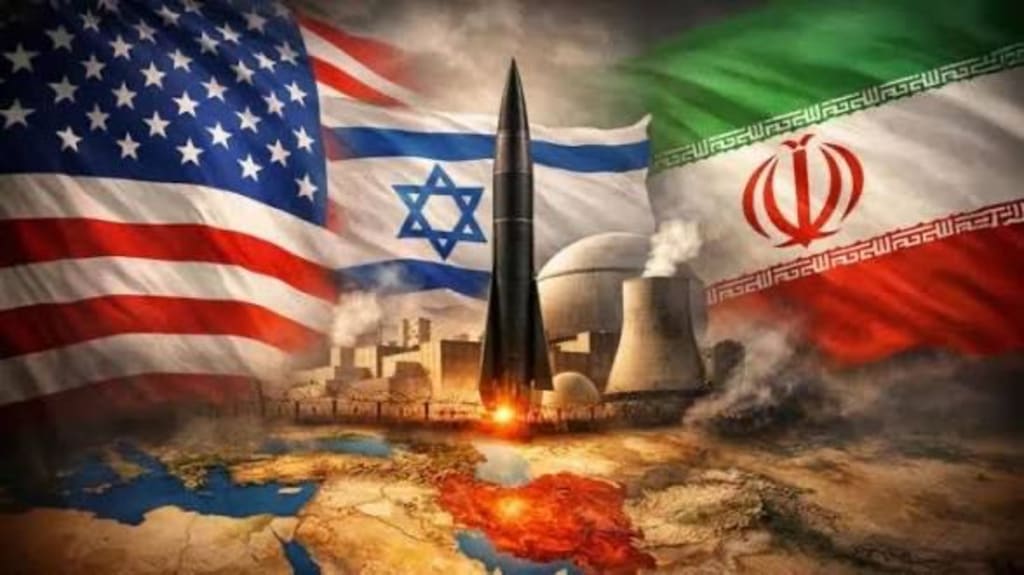
The Middle East is once again at the center of global attention as tensions between Iran, Israel, and Lebanon have escalated into a dangerous regional conflict. What began as direct strikes between Iran and Israel has rapidly expanded, drawing in Lebanon through Hezbollah and even influencing actors beyond the immediate battlefield. As of March 2026, the crisis shows no clear signs of de-escalation, raising concerns about humanitarian consequences, regional stability, and global economic disruption.
Background of the Conflict
The rivalry between Iran and Israel is not new; it dates back decades and is rooted in ideological, political, and military opposition. Iran has long supported armed groups like Hezbollah in Lebanon, which act as proxy forces against Israel. 
The situation intensified dramatically in late February 2026, when a joint U.S.-Israeli military operation targeted key Iranian leadership and infrastructure. This marked a turning point, transforming a long-standing shadow conflict into a more direct and open confrontation.
Expansion of War into Lebanon
Lebanon has become a central battlefield due to Hezbollah’s involvement. Following the strikes on Iran, Hezbollah launched rockets into northern Israel, prompting a strong Israeli response. 
Israel has since carried out extensive airstrikes across southern Lebanon and expanded ground operations near the border. Reports indicate that Israeli forces are attempting to establish a “buffer zone” extending to the Litani River, aiming to push Hezbollah further away from Israeli territory. 
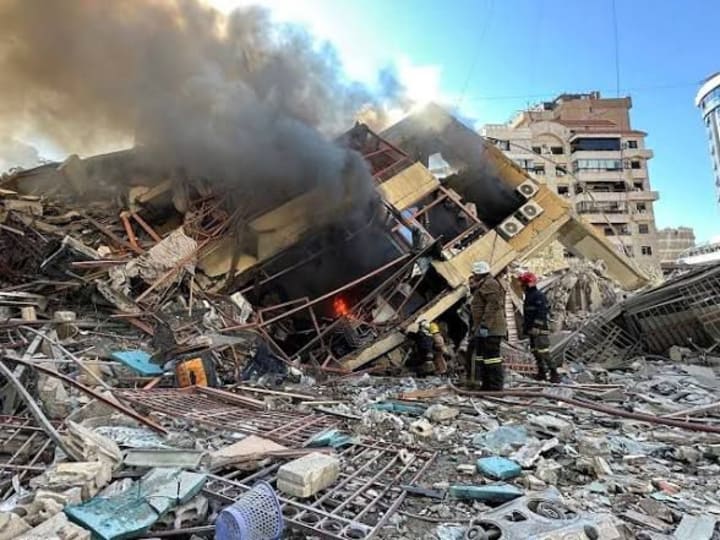
This escalation has caused massive destruction in Lebanese towns, leading to widespread displacement and damage to infrastructure.
Iran’s Military Response and Regional Impact
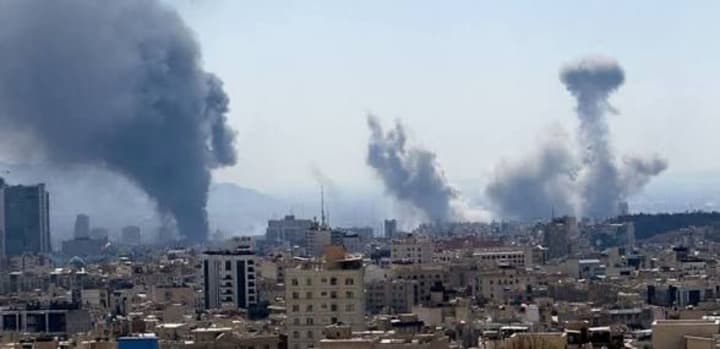
Iran has responded with missile attacks targeting Israeli cities and strategic sites. At the same time, it has leveraged its regional alliances to increase pressure on Israel.
One of the most significant developments is the involvement of Iran-backed groups beyond Lebanon. In March 2026, Houthi forces in Yemen launched a missile toward Israel for the first time in this conflict, signaling the opening of a new front. 
Additionally, Iran’s actions in key maritime routes, particularly around the Strait of Hormuz, have disrupted global shipping and raised concerns about energy security. These developments highlight how the conflict is no longer confined to one region but is affecting global trade and stability.
Humanitarian Crzisis
The human cost of the conflict is severe and continues to grow. In Lebanon alone, thousands have been killed or injured, and hundreds of thousands have been displaced from their homes. Hospitals and essential services are struggling to cope with the increasing number of casualties.
Civilians remain the most affected, facing shortages of food, medical care, and safe shelter. The destruction of infrastructure has further worsened living conditions, making humanitarian aid delivery increasingly difficult.
Political and Diplomatic Developments
Efforts to reach a ceasefire are ongoing but face significant challenges. The United States and its allies have proposed diplomatic solutions, but Iran has shown reluctance, demanding broader conditions that include halting Israeli operations in Lebanon.
Meanwhile, the Lebanese government has taken unusual steps by distancing itself from Hezbollah’s actions, signaling internal political tensions. This reflects the complex nature of the conflict, where state and non-state actors are deeply intertwined.
Global Implications
The Iran-Israel-Lebanon crisis is not just a regional issue—it has global consequences. Disruptions in oil supply routes have already led to rising energy prices, while increased military activity threatens international shipping lanes.
There is also growing concern that the conflict could expand further, potentially involving more countries and triggering a wider regional war. The involvement of multiple armed groups and the lack of a clear diplomatic resolution increase the risk of prolonged instability.
Conclusion
As of March 2026, the conflict between Iran, Israel, and Lebanon represents one of the most serious geopolitical crises in the world. With multiple fronts active, rising casualties, and limited diplomatic progress, the situation remains highly volatile.
The coming weeks will be critical in determining whether the region moves toward escalation or finds a path to de-escalation. For now, the world watches closely as this complex and dangerous conflict continues to unfold.
About the Creator
shaoor afridi
“I am a passionate writer dedicated to sharing informative, engaging, and well-researched articles. My goal is to provide valuable content that educates, inspires, and adds real value to readers.”
Keep reading
More stories from shaoor afridi and writers in Serve and other communities.
Is Benjamin Netanyahu Dead?
Introduction In the modern digital age, rumors and misinformation can spread quickly across social media and online platforms. One such rumor that occasionally appears online concerns the supposed death of Benjamin Netanyahu, the long-time political leader of Israel. Many people search the internet asking whether the Israeli prime minister has died. However, it is important to examine reliable information and understand the truth behind such claims.
By shaoor afridi22 days ago in Serve



Comments
There are no comments for this story
Be the first to respond and start the conversation.