
How to Get Rid of Cat Smell in Your House Fast
Eliminate Litter Box Odors, Pet Smells, and Cat Urine Quickly with Proven Cleaning Tips That Actually Work

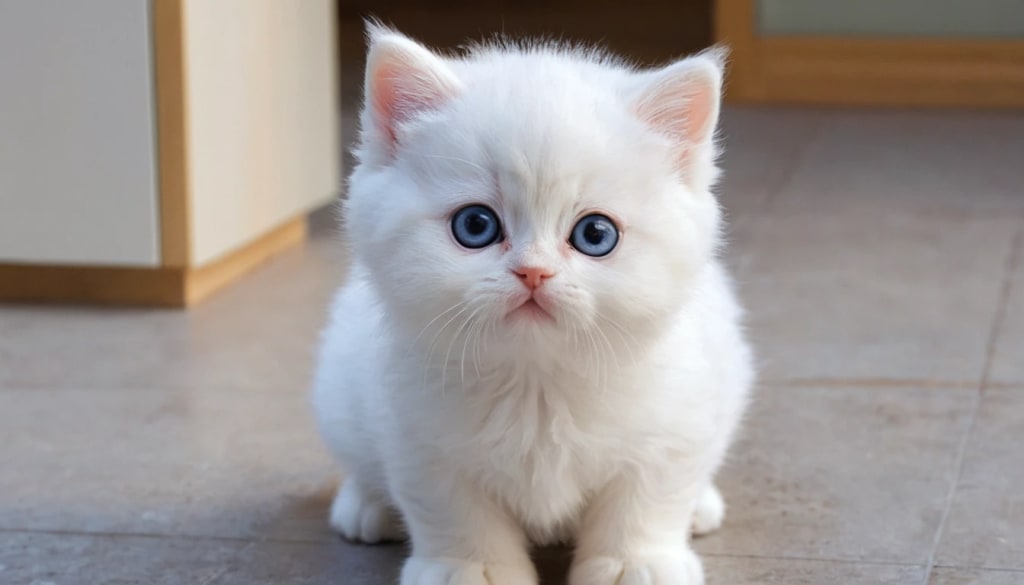
There’s a moment every cat owner dreads. You walk into your home, expecting comfort, and instead you’re greeted by a faint but unmistakable scent. Not strong enough to knock you over, but persistent enough to linger in the air like an uninvited guest.
Cat smell has a way of settling into a space quietly, weaving itself into fabrics, corners, and routines. The frustrating part is that it often builds gradually, until one day you suddenly notice it—and can’t un-notice it again.
The good news is this: cat odor is not permanent. With the right approach, you can eliminate it quickly and prevent it from returning.
Let’s break down exactly where the smell comes from and how to remove it fast.
Why Cat Smell Happens
Before you can eliminate the odor, you need to understand its source. Cat smell doesn’t come from one single place—it’s usually a combination of factors.
The most common causes include litter boxes, urine accidents, dander, and natural oils in your cat’s fur. Male cats that are not neutered may also spray, which produces a stronger, more persistent odor.
Cat urine, in particular, is powerful because it contains ammonia and other compounds that intensify over time. If not cleaned properly, the smell can become deeply embedded in surfaces.
This is why quick action matters.
Step 1: Attack the Litter Box First
The litter box is the epicenter of most cat-related odors. Even a clean home can smell unpleasant if the litter box is not properly maintained.
Scoop the litter daily—ideally twice a day. Waste left sitting releases odor continuously.
Replace the litter completely at least once a week, depending on how many cats you have. Wash the box with warm water and mild soap before refilling it.
Location also matters. A litter box placed in a poorly ventilated area traps odors and allows them to spread. Choose a space with airflow, but still quiet enough for your cat to feel comfortable.
Sometimes the solution is simple: a clean box equals a fresher home.
Step 2: Use the Right Cleaning Products
Not all cleaners are effective against cat odors. Standard household cleaners may mask the smell temporarily, but they often fail to break down the compounds in cat urine.
Enzyme-based cleaners are the most effective option. They work by breaking down the proteins in urine that cause the odor, rather than just covering it up.
Apply the cleaner generously to the affected area and allow it to sit for the recommended time. Patience is key—rushing the process can leave behind lingering smells.
Avoid ammonia-based cleaners, as they can mimic the scent of urine and encourage your cat to return to the same spot.
Step 3: Find Hidden Problem Areas
Sometimes the source of the smell is not obvious. Cats may urinate in hidden corners, behind furniture, or on soft surfaces like rugs and cushions.
If the odor persists, take time to investigate. Use your sense of smell, and if necessary, a UV light to detect dried urine spots.
Once identified, treat these areas thoroughly with enzyme cleaners.
A single unnoticed spot can keep the entire room smelling unpleasant.
Step 4: Deep Clean Fabrics and Carpets
Soft materials absorb odor easily. Carpets, curtains, bedding, and upholstery can all trap cat smells over time.
Wash removable fabrics with hot water if possible. Add a cup of baking soda or white vinegar to help neutralize odors.
For carpets and furniture, use a deep-cleaning machine or hire a professional service if needed.
Steam cleaning can be effective, but it should be combined with enzyme treatments for best results.
Clean fabrics don’t just smell better—they reset the entire atmosphere of your home.
Step 5: Improve Air Circulation
Odors linger longer in stagnant air. Opening windows, using fans, or running an air purifier can help remove airborne particles and refresh your space.
Air purifiers with HEPA filters are especially effective at capturing pet dander and odor-causing particles.
Fresh air acts like a reset button, clearing out what cleaning alone may leave behind.
Step 6: Groom Your Cat Regularly
Cats are generally clean animals, but their fur can still carry oils, dander, and odors.
Brushing your cat regularly reduces shedding and helps distribute natural oils evenly. This prevents buildup that can contribute to smell.
Occasional baths may be necessary, especially if your cat has gotten into something unpleasant.
A well-groomed cat contributes to a fresher home.
Step 7: Use Odor Neutralizers, Not Just Air Fresheners
Air fresheners may mask odors temporarily, but they do not eliminate them.
Instead, use odor neutralizers designed to absorb and remove smells. Baking soda, activated charcoal, and specialized pet odor absorbers can be placed around the home to help maintain freshness.
These solutions work quietly, reducing odor over time without overwhelming the air with artificial scents.
Step 8: Address Behavioral Issues
If your cat is urinating outside the litter box, the problem may not be cleanliness—it may be behavioral or medical.
Stress, territorial issues, or health problems can lead to inappropriate urination.
Ensure your cat has a clean, accessible litter box. If the behavior continues, consult a veterinarian to rule out medical causes.
Solving the root problem prevents the smell from returning.
Step 9: Maintain a Consistent Cleaning Routine
The fastest way to eliminate cat smell is consistency.
Daily scooping, regular cleaning, and periodic deep cleaning create an environment where odors never have a chance to build up.
Think of it as maintenance rather than reaction. A few minutes each day can prevent hours of cleaning later.
Quick Action Plan
If you need fast results, focus on these steps immediately:
Clean the litter box thoroughly
Identify and treat any urine spots with enzyme cleaner
Wash fabrics and vacuum carpets
Open windows and improve airflow
Use odor absorbers in key areas
Within a short time, you’ll notice a significant difference.
Final Thoughts
Cat smell may feel persistent, but it is not unbeatable. It thrives on neglect and disappears with attention.
With the right methods, you can transform your home from a place where odors linger into one that feels clean, fresh, and welcoming again.
And once the air clears, something else becomes noticeable—the quiet comfort of a home shared with a content, well-cared-for cat.
About the Creator
Algieba
Curious observer of the world, exploring the latest ideas, trends, and stories that shape our lives. A thoughtful writer who seeks to make sense of complex topics and share insights that inform, inspire, and engage readers.
Wisteria Woo RIP
Wisteria Woo Silver~Rhodesian Ridgeback Cane Corso mix~ 7.19.15-3.2.26 My service dog, Wisteria, had been slowing down, having mysterious health symptoms like severe hives and unexplained injury. She went to the vet last month, but unfortunately, not all tests detect all problems. When we returned to the vet yesterday, upon much more concerning symptoms suddenly appearing, we learned she had a very large mass (10inx10in) likely the very aggressive hemangiosarcoma, and that we would only be buying a few months if we went through with treatment.
By K.B. Silver 27 days ago in Petlife
Everything You Need To Know About The Calico Tabby Cat
Calico Tabby Cat: Everything You Need to Know About This Unique Feline If you’ve ever seen a calico tabby cat, you probably noticed how special and eye-catching it looks. With a mix of beautiful colors and striped patterns, these cats are truly one of a kind. But there’s more to them than just their appearance.
By Anna Smith6 days ago in Petlife



Comments
There are no comments for this story
Be the first to respond and start the conversation.