
How to spend 2 days in Yala
2 Days in the Wild
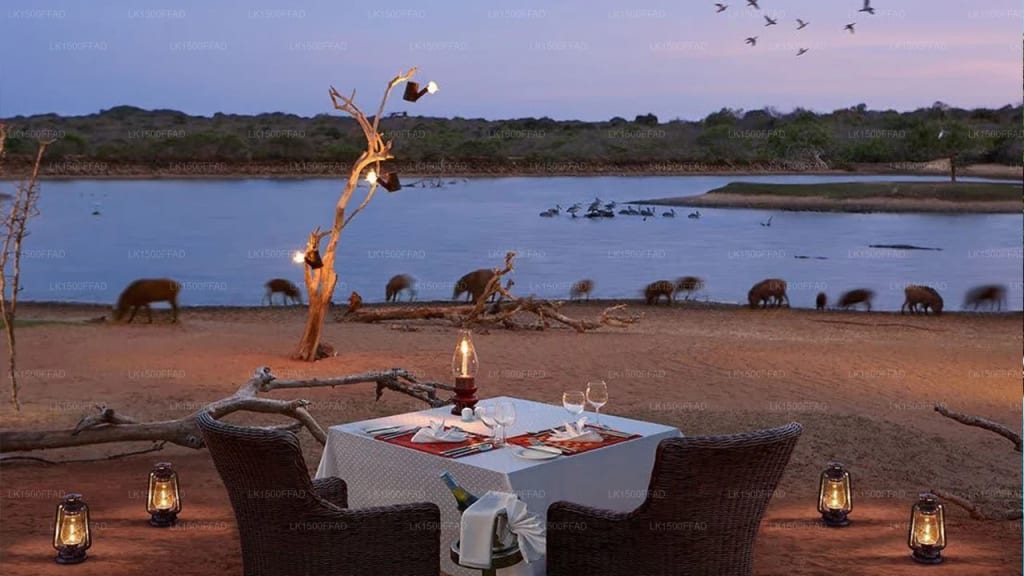
The beautiful island of Sri Lanka is a place that is full of amazing experiences as well as nature to match. The region of Yala provides one of Sri Lanka’s most memorable wildlife experiences. This is a place where forests, lagoons, and coastline meet inside a protected national park. Even a short stay in the area lets travellers step into nature with ease. With some planning, two days in Yala bring together adventure and rest surrounded by the wild.
Arriving And Settling into Safari Life
Most journeys to Yala begin in Tissamaharama before continuing towards Yala hotels in close proximity to the national park entrance. Getting to Yala by late morning or early afternoon gives travellers ample time to settle in before the first safari drive. Staying at a hotel like Cinnamon Wild Yala brings guests quite close to wildlife in general. This, in turn, lets visitors have quick access to the park while remaining surrounded by nature. Chalets are positioned among trees and open spaces where wildlife can usually be spotted moving freely. The general atmosphere feels calm from the beginning. Bird calls replace the noise of traffic, and the natural surroundings encourage visitors to take a breather.
Embarking on the First Safari of the Day
If travellers still have energy after the morning journey, they can begin their first safari by mid-afternoon. After 2 pm, jeeps head into Yala National Park with experienced guides, giving visitors plenty of time to enjoy a long safari drive. This timing is in sync with various wildlife patterns, as animals become more active later in the day. The drive moves through ever-changing scenery, from thick forested areas to open grasslands and quiet lagoons. Each environment supports different species, making every safari unique. Elephants can almost always be seen grazing slowly, while spotted deer gather in open areas. Crocodiles rest near water, and colourful birds appear in most areas of the wetlands and trees. Yala is also known for its impressive leopard population in the park. While animal sightings depend on timing and patience, it is still exciting to anticipate them. Guides pause when wildlife appears, giving visitors a chance to observe various animals without disturbance. Returning at sunset brings a satisfying end to the first day in the park.
Evening In the Wilderness
As the sun sets, Yala takes on a quieter mood, and the park slowly settles into calm. After returning from safari, guests often come together for dinner, sharing stories and talking about the wildlife they spotted during the day. As darkness settles, the surrounding jungle becomes more noticeable through sound. Insects, distant animal calls, as well as the occasional rustling leaves, create an atmosphere that feels distant from everyday life. Many travellers spend time outdoors before dinner, enjoying the cooler air or watching the sky fade into the night. Rest comes easily after a full afternoon in the wild, preparing visitors for an early start the next morning.
Sunrise Safari Experience on Day Two
The second day begins quite early, with safari jeeps departing as the park opens. Early morning drives provide excellent conditions to view wildlife, which is mainly due to cooler temperatures. Sunrise spreads light across the landscape while birds become active and animals move towards water sources. Elephants may appear in proximity to lagoons, while predators are sometimes seen returning from a night prowl. Guides look carefully for tracks and sounds that indicate nearby wildlife. Being patient is quite an important part of the experience, as sightings happen unexpectedly.
Midday Rest and Nature Observation
Midday hours in Yala are generally slower because animal activity is low during the hotter hours of the day. Guests can relax by the pool, sit in shaded areas, or even observe birds and animals around the lodge. This quiet time balances the excitement of safaris and helps travellers fully appreciate the environment. Many visitors review photographs, speak with guides, or learn more about conservation efforts during this period.
About the Creator
Keep reading
More stories from Jeewanthi Armstrong and writers in Journal and other communities.
How to spend 2-days in Sigiriya
The island of Sri Lanka is an amazing place of nature, history and culture combined. Sigiriya is one of Sri Lanka’s most remarkable destinations, where ancient history meets quiet countryside life. A two-day trip to the region gives travellers enough time to explore the famous rock fortress, nearby temples, villages, as well as the natural surroundings. This is a breakdown of the best way to spend two days in the Lion Rock Fortress.
By Jeewanthi Armstrongabout 13 hours ago in Journal
Author’s Advice
If you would’ve asked me 20 years ago did I know I’d become a writer and an author, I would’ve said “nope, ain’t happening”. As fate would have it I did become an author and I can honestly say I’m loving it so far. It really does feel good to be a writer. I’ve learned a lot on this journey and I feel like with even me being as new to this world as I am, there’s some wisdom I need to share with every other aspiring author.
By Joe Patterson20 days ago in Journal




Comments
There are no comments for this story
Be the first to respond and start the conversation.