
Easter Begins Before the First Guest Arrives
In hospitality, Easter does not begin at the table.

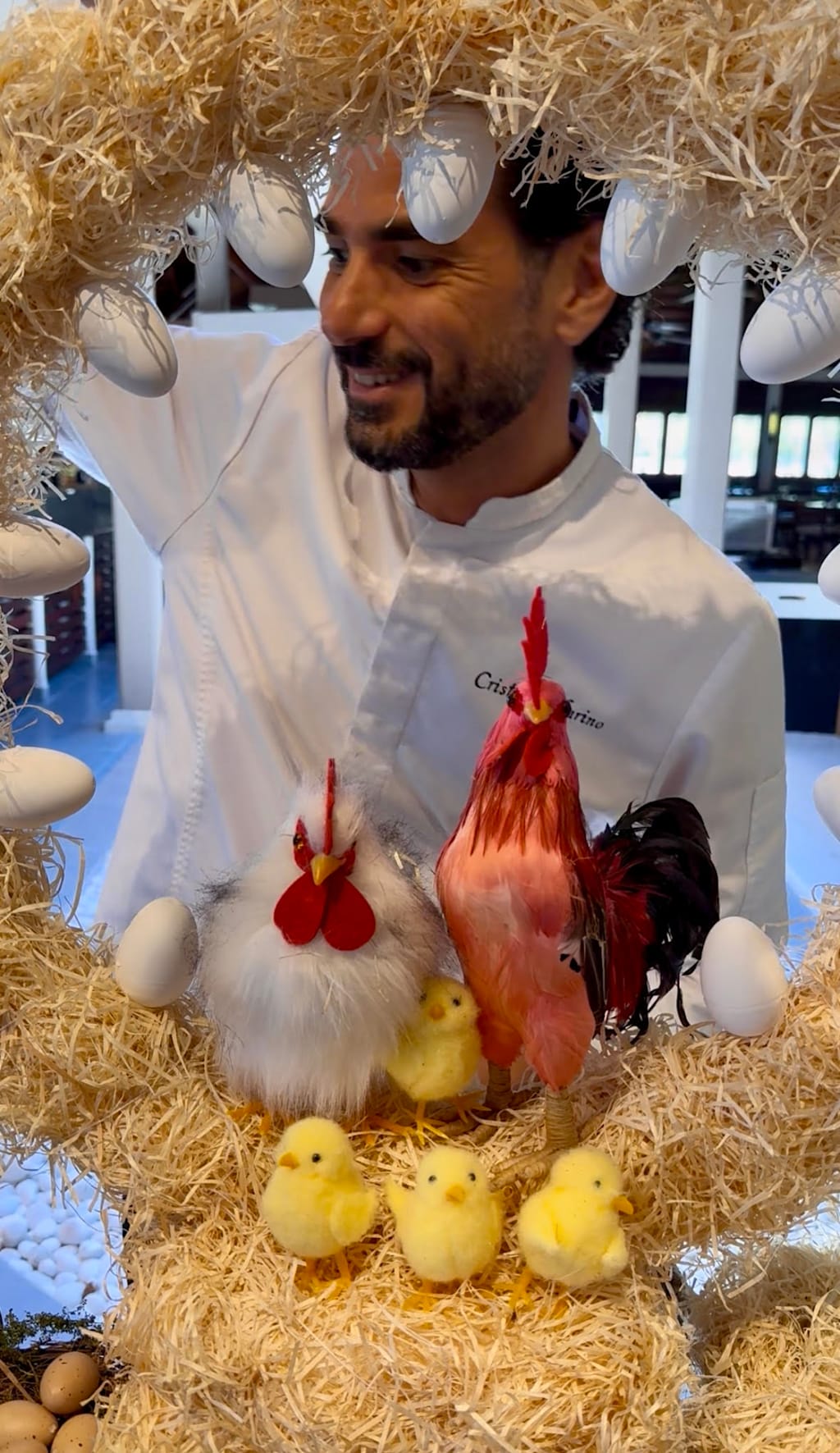
It begins much earlier, in the quiet hours before the restaurant opens, when the room is still empty and the celebration exists only in preparation.
For guests, the day often starts with what they see. A buffet dressed with care. Fresh breads arranged with intention. Decorations that bring warmth to the room. A breakfast that already feels different from an ordinary morning. In a resort, these details shape the first impression of the day. They create atmosphere before a single word is spoken.
What many people do not see is how early that atmosphere begins.
Before the conversations.
Before the footsteps near the buffet.
Before the first plate is lifted.
For those working behind the scenes, Easter starts in silence.
It starts with the responsibility of building something that feels effortless once it reaches the guest.
In a resort, breakfast carries particular importance on a day like this. It is not simply the first service. It is the first emotional note of the celebration. The breads matter. The pastries matter. The visual harmony of the buffet matters. The decorations matter. Together, they tell guests that this is not just another morning. It is an occasion.
That is one of the quiet truths of hospitality.
People remember how a place made them feel long before they remember every detail of what they ate.
Cristian Marino has spent enough years in hospitality to know that special occasions are built long before they are enjoyed. What appears natural in the dining room is usually the result of discipline, timing, repetition, visual sensitivity, and teamwork. On Easter, that truth becomes even more visible. The buffet is not just there to offer variety. It is there to create welcome. Special breads are not only prepared for taste. They bring character and warmth to the setting. Decorative details are not there to impress for a moment. They help shape the emotional tone of the room.
This is where hospitality becomes more than service.
It becomes interpretation.
It becomes care translated into form.
A festive table may look simple from the outside, but behind it there is a quieter story. There are early decisions. Adjustments. Coordination. Trays positioned and repositioned. Displays balanced so they feel generous without becoming excessive. Bread selections placed in a way that invites attention without disturbing the overall elegance. Decorative touches added carefully, not to overload the space, but to make it feel alive.
Guests see beauty.
Teams live structure.
That difference is at the heart of the profession.
There is also pressure, of course. Special days always carry pressure. Expectations are higher. Details matter more. The room must feel smooth, even when the work behind it is not. Yet Easter carries something more than pressure. It carries meaning. Even in a resort, where guests come from different countries and traditions, the day still holds a distinct rhythm. People slow down a little. They look more carefully. They stay at the table longer. They respond to warmth more openly.
That is why these occasions still matter.
Not because they are perfect.
Not because they are grand.
But because they interrupt the speed of everyday life.
In a world where meals are often rushed and attention is divided, Easter remains one of those moments that asks people to pause. To sit. To share. To notice. In hospitality, this is not a small thing. Creating the right atmosphere for that pause is part of the work. It is not a decorative extra. It is part of the experience itself.
And that experience starts early.
Before lunch becomes the center of the day, breakfast has already done something important. It has opened the celebration. It has set the tone. It has told guests, through color, abundance, and care, that this day was prepared with intention. The special breads on display, the visual balance of the buffet, the festive details placed around the room, all of these things begin to create memory before guests are even fully aware of it.
That is the invisible power of hospitality.
The best work often disappears into the feeling it creates.
There is usually a brief moment before service begins when this becomes especially clear. The buffet is ready. The breads are in place. The decorative details have been adjusted one final time. The room is complete. The team is focused. For a few seconds, everything is still.
Then the doors open.
Guests enter and the silence gives way to life. The breakfast begins. Later, the pace grows stronger as the day moves toward lunch. The pressure rises. The rhythm changes. But the meaning remains the same. Easter is not being delivered only through dishes. It is being built through atmosphere, timing, and the quiet commitment to making people feel that the day matters.
This is what professionals in hospitality understand perhaps better than anyone.
A meal is never just a meal on a day like this.
It is memory.
It is connection.
It is a shared pause.
It is a way of giving shape to celebration.
That is especially true in resorts, where people are often far from home, far from routine, and far from the tables they grew up with. In that setting, hospitality has the rare opportunity to create a feeling of belonging, even temporarily. A well prepared Easter breakfast can soften the morning. A beautifully arranged buffet can make the room feel welcoming before conversation even begins. A carefully managed lunch can turn a meal into a moment guests remember long after they leave.
This is why the profession still carries so much dignity when practiced well.
Not because it is glamorous.
Not because it is easy.
But because it asks people to create comfort for others through precision, effort, and care.
Guests may remember the breads, the colors, the buffet, the lunch, the beauty of the room. The team remembers something else as well. The early start. The concentration. The final checks. The pressure kept under control. The silent preparation that allowed the celebration to feel natural once it was underway.
And in that, there is something quietly powerful.
For most guests, Easter begins when they arrive at the table.
In hospitality, it begins much earlier.
It begins in the first preparation of the morning.
In the special breads made ready before service.
In the buffet decorations adjusted with patience.
In the choice to make a room feel festive without losing elegance.
In the silence before the first guest arrives.
And perhaps that is the hidden beauty of the profession.
To begin creating the memory before anyone knows it has already started.
About the Creator
Cristian Marino
Italian Executive Chef & author with 25+ years in 10+ countries. Sharing stories on kitchen leadership, pressure, and the human side of food.
Keep reading
More stories from Cristian Marino and writers in Journal and other communities.
Valentine’s Day Beach Celebration in the Maldives Highlights the Meaning of Love Beyond Romance
A Night by the Ocean By the time the first guests arrived on the beach on February 14, the lights were already glowing softly against the sand. The ocean was calm, and the atmosphere had that quiet energy that only comes just before an event begins.
By Cristian Marino2 months ago in Journal
Author’s Advice
If you would’ve asked me 20 years ago did I know I’d become a writer and an author, I would’ve said “nope, ain’t happening”. As fate would have it I did become an author and I can honestly say I’m loving it so far. It really does feel good to be a writer. I’ve learned a lot on this journey and I feel like with even me being as new to this world as I am, there’s some wisdom I need to share with every other aspiring author.
By Joe Patterson25 days ago in Journal
AI in Travel Technology Platforms: Trends and Innovations by CodeGen
AI is no longer a new idea in travel. It has moved from something companies were testing to something most serious travel businesses now rely on. The question is not whether to use AI. It is how to use it well.
By Noor Muhammad Khan6 days ago in Journal




Comments
There are no comments for this story
Be the first to respond and start the conversation.