
Cold Brew Coffee Market Is Doubling as a New Generation Rethinks Their Daily Cup
Inside a $7 billion market where smoother taste, lower acidity, and ready-to-drink convenience are winning over the next wave of coffee drinkers

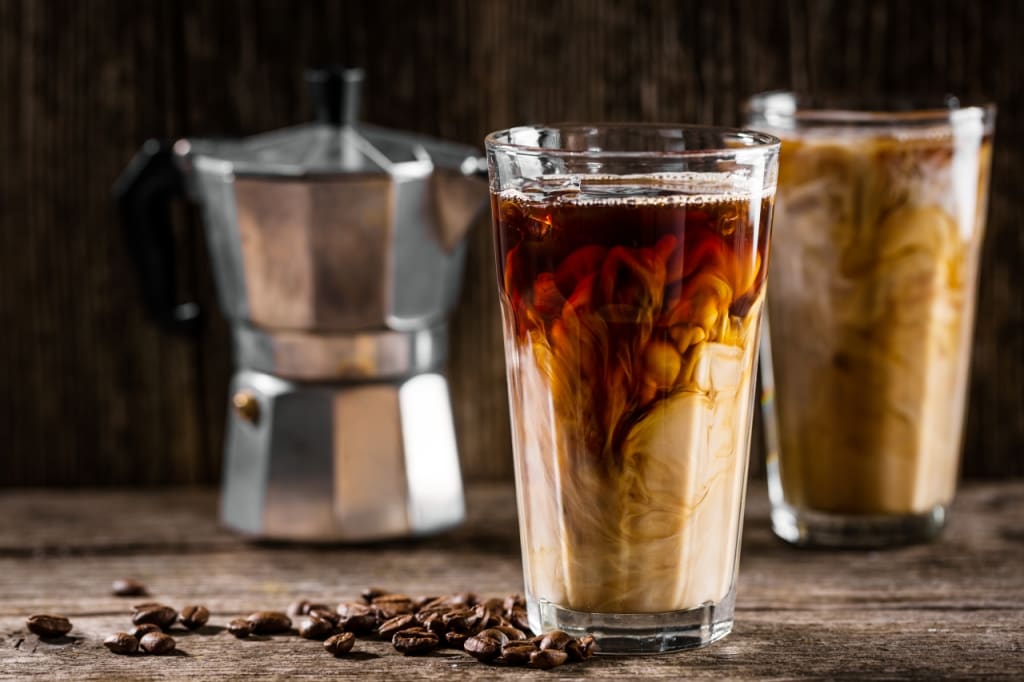
Hot coffee has been the default morning ritual for most of the world for centuries. The ritual is so deeply embedded in daily life that challenging it seemed almost beside the point.
Cold brew coffee did not set out to challenge it. It just kept growing until the numbers became impossible to ignore.
According to Mordor Intelligence, the global cold brew coffee market size is expected to reach USD 3.24 billion in 2025 and USD 7.14 billion by 2030, growing at a 17.12% CAGR. That growth rate places cold brew among the fastest-expanding categories in the entire food and beverage industry, and understanding what is driving it reveals something interesting about how consumer preferences are shifting across the broader coffee market.
Cold brew coffee did not replace hot coffee. It simply made a compelling case for itself, and millions of people listened.
What Makes Cold Brew Different From Regular Iced Coffee
Cold brew and iced coffee are not the same product, and the distinction matters for understanding why cold brew has developed such a devoted following.
Iced coffee is brewed hot and then cooled down or poured over ice. The heat extraction process that makes hot coffee work also produces compounds that create bitterness and acidity. When that coffee is chilled, those characteristics remain.
Cold brew is made by steeping coarsely ground coffee in cold or room temperature water for an extended period, typically between twelve and twenty-four hours. The absence of heat produces a fundamentally different chemical extraction. The result is a concentrate with a noticeably smoother taste, significantly lower acidity, and a natural sweetness that hot-brewed coffee rarely achieves without additives.
For consumers who find conventional coffee too bitter, too acidic, or hard on the stomach, cold brew offers a genuinely different experience rather than simply a chilled version of the same product. That difference is the foundation of the category's growth.
Why Younger Consumers Are Driving Adoption
The cold brew market's growth is disproportionately driven by younger consumers, and the reasons reflect broader shifts in how this demographic approaches food and beverage choices.
Convenience is a primary factor. Ready-to-drink cold brew in bottles and cans fits naturally into a lifestyle organized around portability and minimal preparation time. A cold brew purchased at a coffee chain or grabbed from a refrigerator case requires no brewing, no waiting, and no equipment. It delivers a consistent, high-quality coffee experience in a format that fits the pace of how younger consumers actually live.
Customization matters alongside convenience. Cold brew serves as a versatile base for a wide range of additions, including oat milk, flavored syrups, protein supplements, and functional ingredients like adaptogens and collagen. This versatility appeals to consumers who treat their daily coffee as an expression of personal preference rather than a fixed routine. The neutral, smooth flavor profile of cold brew accommodates additions that would clash with the sharper flavors of hot-brewed coffee.
Health considerations play a role, too. Lower acidity is a genuine functional benefit for consumers with acid reflux or sensitive digestion. The perception of cold brew as a cleaner, less processed option than heavily sweetened coffee drinks positions it favorably with health-conscious buyers who still want their caffeine.
Ready-to-Drink Formats and the Retail Expansion
The single most important structural driver of cold brew market growth is the expansion of ready-to-drink formats across retail channels.
Bottled and canned cold brew has moved from specialty coffee shops and natural food retailers into mainstream grocery chains, convenience stores, gyms, and office supply programs. This retail expansion has dramatically increased the number of purchase occasions for cold brew products and introduced the category to consumers who would never seek it out in a specialty context.
Coffee chains, including Starbucks and Dunkin, have made cold brew a permanent menu feature rather than a seasonal offering, normalizing the format across their enormous customer bases. The visibility of cold brew on mainstream menus accelerates consumer familiarity and drives trial among people who might not have encountered it otherwise.
Canned formats are among the fastest-growing within the ready-to-drink segment. Cans offer advantages in portability, shelf life, and sustainability credentials that bottles cannot always match, and they align with packaging preferences among the younger consumers who are the category's primary growth engine.
Home Brewing and the At-Home Category
Alongside the ready-to-drink expansion, home cold brew brewing has developed into a meaningful market segment in its own right.
Dedicated cold brew makers ranging from simple mason jar setups to purpose-built immersion brewers and drip tower systems have made home production practical and accessible. Consumers who brew at home can control their coffee-to-water ratio, steeping time, and ingredient quality in ways that ready-to-drink products cannot replicate.
Ground coffee and whole bean products positioned specifically for cold brew have expanded the retail coffee aisle, giving consumers the ingredients alongside the equipment. This home brewing adoption deepens consumer engagement with the category and builds habits that sustain long-term demand independent of retail or food service availability.
Pod formats for cold brew are the fastest-growing segment within the home brewing category, reflecting the desire for cold brew convenience without sacrificing the at-home preparation experience entirely.
Flavor Innovation and What It Signals
The flavor landscape of cold brew has expanded well beyond the unflavored concentrate that defined the category in its early commercial phase.
Flavored cold brew products incorporating vanilla, caramel, chocolate, seasonal spices, and fruit notes have attracted consumers for whom the pure coffee flavor of unflavored cold brew is less appealing. This flavor expansion has broadened the accessible market for cold brew without cannibalizing the core unflavored segment, which retains the majority of market share among dedicated coffee drinkers.
Organic cold brew has emerged as a premium positioning strategy that resonates with health-conscious and environmentally aware consumers. Certified organic products command higher price points and attract buyers who evaluate their coffee purchases through the same lens they apply to other food categories, where ingredient sourcing and production methods matter.
Functional cold brew incorporating ingredients like collagen, MCT oil, mushroom extracts, and nootropics sits at the intersection of the coffee and wellness supplement markets. These products attract consumers who want their daily caffeine to do more than simply provide energy, and they command premium prices that improve category economics.
Where the Market Is Growing Geographically
North America is the largest market for cold brew coffee, reflecting the category's origins in the United States specialty coffee scene and its subsequent mainstream expansion through retail and food service channels. The established coffee culture, high per-capita coffee consumption, and strong ready-to-drink beverage infrastructure have made North America the natural anchor of global cold brew demand.
Asia-Pacific is the fastest-growing region, driven by rapidly expanding coffee consumption across markets including China, South Korea, Japan, and Southeast Asia. Coffee culture in these markets is younger and less entrenched than in North America or Europe, which paradoxically creates more openness to newer formats like cold brew that do not compete against deeply established hot coffee traditions. The strong ready-to-drink beverage culture across much of Asia provides natural distribution infrastructure for cold brew expansion.
Frequently Asked Questions
What is the cold brew coffee market size in 2025? The global cold brew coffee market is expected to reach USD 3.24 billion in 2025, according to Mordor Intelligence.
How fast is the cold brew coffee market growing? The market is projected to grow at a 17.12% CAGR between 2025 and 2030, reaching USD 7.14 billion by 2030.
Why is cold brew coffee growing so fast? Growth is driven by smoother taste and lower acidity, attracting new coffee drinkers, ready-to-drink format expansion in retail, younger consumer preference for convenience and customization, and the expansion of cold brew menus across major coffee chains.
Is cold brew healthier than regular coffee? Cold brew has lower acidity than hot-brewed coffee, which makes it gentler on the stomach for consumers with acid sensitivity. The caffeine content varies by concentration but is comparable to or higher than that of regular coffee, depending on the product.
Which region leads the cold brew coffee market? North America leads in market size. Asia-Pacific is the fastest-growing region, driven by expanding coffee culture and strong ready-to-drink beverage infrastructure.
A Closing Thought of Mine
Cold brew coffee is one of those relatively rare product innovations that succeeds not by being dramatically different from what came before but by being meaningfully better for a specific set of consumer needs. Smoother. Less acidic. More versatile. Easier to carry and consume without preparation.
None of those advantages required new technology or significant behavioral change from consumers. They simply required someone to ask whether steeping coffee in cold water might produce something worth drinking and then to scale the answer.
With the market on course to reach USD 7.14 billion by 2030, the answer has been confirmed rather decisively.
About the Creator
Harvey Specter
I am passionate about Food & Beverage, Ag, & Animal Nutrition companies. I help organizations unlock their data's potential and fuel business growth. My expertise transforms raw data into actionable insights for strategic decisions.
Keep reading
More stories from Harvey Specter and writers in Journal and other communities.
Handbags Market Is Being Quietly Rebuilt by Resale, Mushroom Leather, and Social Media
A handbag is one of the few fashion purchases that transcends trend cycles. Shoes go out of style. Clothing becomes dated. But a well-made bag from the right brand tends to hold its value, its relevance, and often its price in ways that almost nothing else in fashion can claim.
By Harvey Specter9 days ago in Journal
Author’s Advice
If you would’ve asked me 20 years ago did I know I’d become a writer and an author, I would’ve said “nope, ain’t happening”. As fate would have it I did become an author and I can honestly say I’m loving it so far. It really does feel good to be a writer. I’ve learned a lot on this journey and I feel like with even me being as new to this world as I am, there’s some wisdom I need to share with every other aspiring author.
By Joe Patterson20 days ago in Journal




Comments
There are no comments for this story
Be the first to respond and start the conversation.