
The Spring Equinox has many cultural traditions and much folklore
The first day of Spring is celebrated in many ways all over the world.

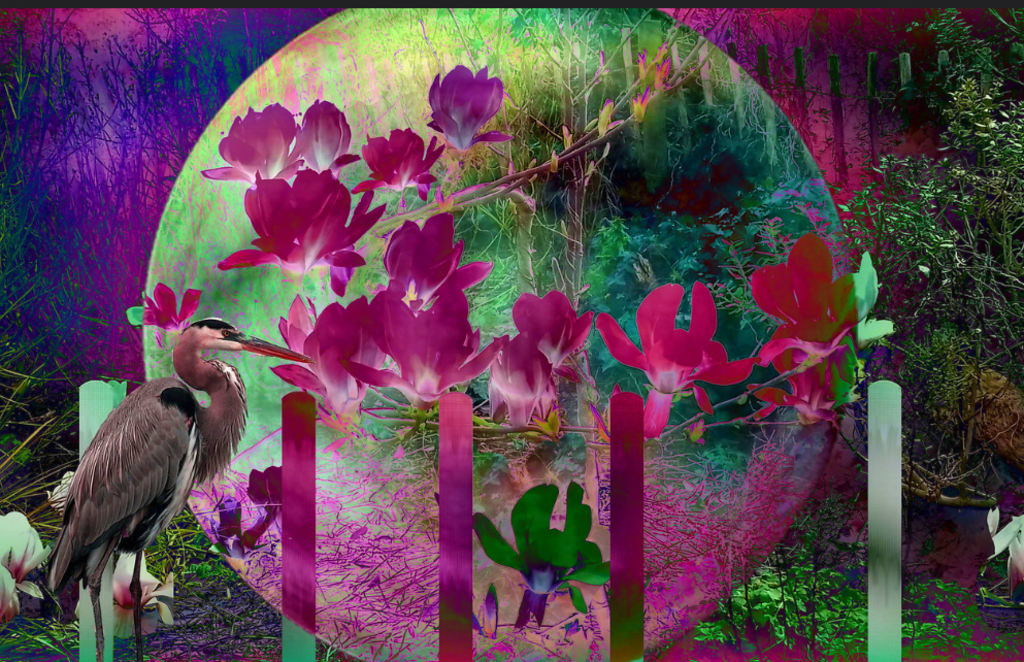
Spring has Sprung
The first day of spring marks the official end of winter, although the weather may remain cool for a while. Known as the vernal equinox, it occurs when the Sun is positioned directly above the Earth's equator. Many people believe this occurs each year on March 21, but that's not true.
The date changes because of two factors. A leap year and the Earth's orbit being 365 days and six hours. The equinox usually happens between March 19 and 21 in the Northern Hemisphere.
On this date, the Earth’s tilt (about 23.5°), causes seasonal changes as the planet orbits the Sun. During the Spring Equinox, day and night are nearly equal in length (about 12 hours each).
Day and night are not 100% equal during the equinox due to atmospheric refraction and how sunrise and sunset are measured. They do, however, come close.
Cultural celebrations around the world
The equiniox is a time of cultural celebrations worldwide. Although Christians don't celebrate Spring per se, their second biggest holiday is determined by the equinox.
The date of Easter/Resurrection Sunday is always the first Sunday after the first full moon after the Spring Equinox. Early Christians decided to observe the resurrection of Jesus Christ to redirect focus away from Spring observances they believed were pagan.
The Spring Equinox goddess Eostre is celebrated during the Equinox. This association is why some Christians today say Resurrection Sunday rather than Easter, which they associate with the pagan goddess.
Still, many cultures have celebrated the vernal equinox in their own fashion for thousands of years. In Iran and across Central Asia, the arrival of Spring represents the new year and renewal of life.
In Zurich, Switzerland, locals explode an 11-foot-tall snowman-like effigy called the “Böögg,”(Boogeyman) in a tradition dating to the Middle Ages. During the Hindu festival of Holi, held near the vernal equinox, millions of people fill the streets of India and Nepal dressed in all white.
They smear each other with brightly colored powder made from plant extracts and get each other wet with squirt guns and balloons filled with pigmented water.
At the ancient Mexican Mayan site Chichén Itzá, during the spring equinox, sunlight casts a shadow resembling a serpent descending the pyramid. In India, Spring is seen as a joyful triumph of good over evil. Many ancient cultures built monuments to align with the sun's movement. On the first day of Spring, modern-day pilgrims visit these sites.
In England, hundreds of druids and pagans gather at dawn in the middle of Stonehenge to watch the sun rise over the giant monoliths of the 5,000-year-old stone circle. The morning sun also shines directly into a passage tomb at Ireland’s Loughcrew Megalithic Monument, illuminating a back stone covered in petroglyphs for 50 minutes. In Egypt, the setting sun disappears directly behind the right shoulder of the Great Sphinx of Giza and the Pyramid of Khafre’s southern corner.
Spring Equinox myths
In Greek mythology, Persephone returns to the earth from Hades( the land of the dead) to welcome Spring. Some believe there is mystic power available on the first day of Spring.
There is a long-standing legend that you can balance an egg only on the equinox or Good Friday. The truth is, you can balance an egg any day of the year. All you need is patience.
It's been said that the Spring Equinox brings unusual weather, but scientists say weather patterns develop over a period ot time rather than on one date. These are but a few of the ways the first day of Spring is observed in different cultures.
About the Creator
Cheryl E Preston
Cheryl is currently pursuing a Bachelor of Science in Psychology. She enjoys writing about current events, history and baby boomer nostalgia. Tips are greatly appreciated.
Keep reading
More stories from Cheryl E Preston and writers in History and other communities.
The Handwriting is on the Wall origin
The handwriting on the wall Perhaps you or someone you know has used the phrase "The handwriting is on the wall," which indicates that something is coming to an end. This is often said about businesses before they go under.
By Cheryl E Preston21 days ago in History
The Turkish City Transformed by “Green Gold”
In the western region of Turkey lies the ancient city of Ayvalık—a place where history, culture, and nature intertwine. Once a modest coastal settlement, Ayvalık has experienced a remarkable transformation over centuries, largely due to what locals proudly call “green gold”: olives.
By Irshad Abbasi 7 days ago in History
The Man Who Vanished in front of 134 People in Sahara part 2
The sun of the fifth day was about to set when suddenly a sound hit his ears—the sound of a helicopter. He felt his prayers had been answered. Without wasting time, Prosperi took out his flare gun and fired a signal to get the pilot's attention. But perhaps nature had other plans. The light of the setting sun was so bright that the flash of the flare was drowned out. The pilot didn't see him, and the helicopter vanished from sight.
By Imran Ali Shah2 days ago in History

Comments
There are no comments for this story
Be the first to respond and start the conversation.