Biographies
Why Did America Drop Atomic Bombs on Japan in 1945?
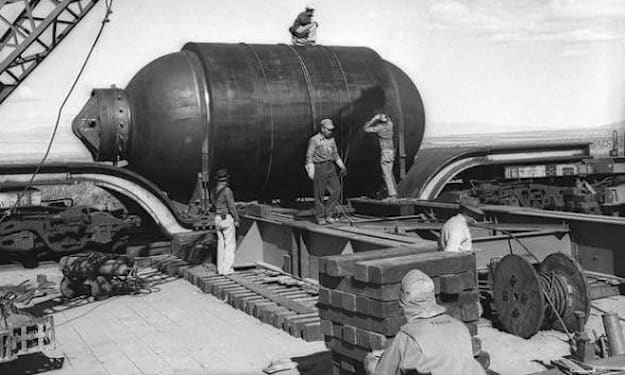
During World War II, the United States dropped atomic bombs on Hiroshima and Nagasaki in August 1945 to force Japan’s surrender and quickly end the war. American leaders believed this would avoid a long and deadly invasion of Japan, saving thousands of soldiers’ lives. It also demonstrated military power, especially to the Soviet Union. However, the decision remains controversial due to the massive civilian casualties and lasting destruction caused by the bombs.
By shaoor afridi3 minutes ago in History
The Day the Giant Stopped Moving
The Day the Giant Stopped Moving For nearly a century, the United States stood as the world's most dominant power — economically, militarily, and culturally. From shaping global trade to leading wars and alliances, America was not just a country; it was the engine of the modern world. But today, many analysts, policymakers, and observers are beginning to ask a serious question: Is America no longer leading the world the way it once did?
By Wings of Time a day ago in History
Beyond Fear
The sea was never silent. It whispered fears, doubts, and sometimes… hope. Christopher Columbus stood alone at the edge of the wooden ship, staring into the endless darkness of the ocean. The waves moved like restless souls, crashing and rising, as if warning him to turn back. But he didn’t. He couldn’t.
By imtiazalam2 days ago in History
The Last Crimson Blaze: Sanada Yukimura and the Beauty of a Lost Cause
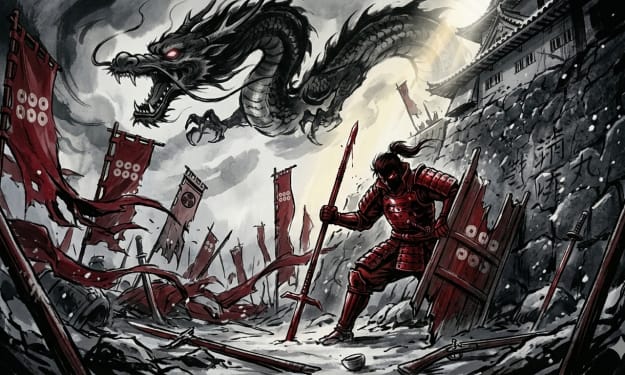
1. The Undisputed Underdog In the pantheon of Japanese history, success often equates to power, like Oda Nobunaga’s brutal unification (image_20.png) or Miyamoto Musashi’s sixty-one undefeated duels (image_18.png). But the most beloved hero in Japan is a man who technically lost. His name was Sanada Yukimura, and his legend is built on the profound, heartbreaking beauty of a doomed cause.
By Takashi Nagaya3 days ago in History