
Iran Never Had a Choice: The Brutal Truth About Power, Oil, and Survival in Global Politics
Iran has spent nearly a century trying every option… and none of them truly worked.
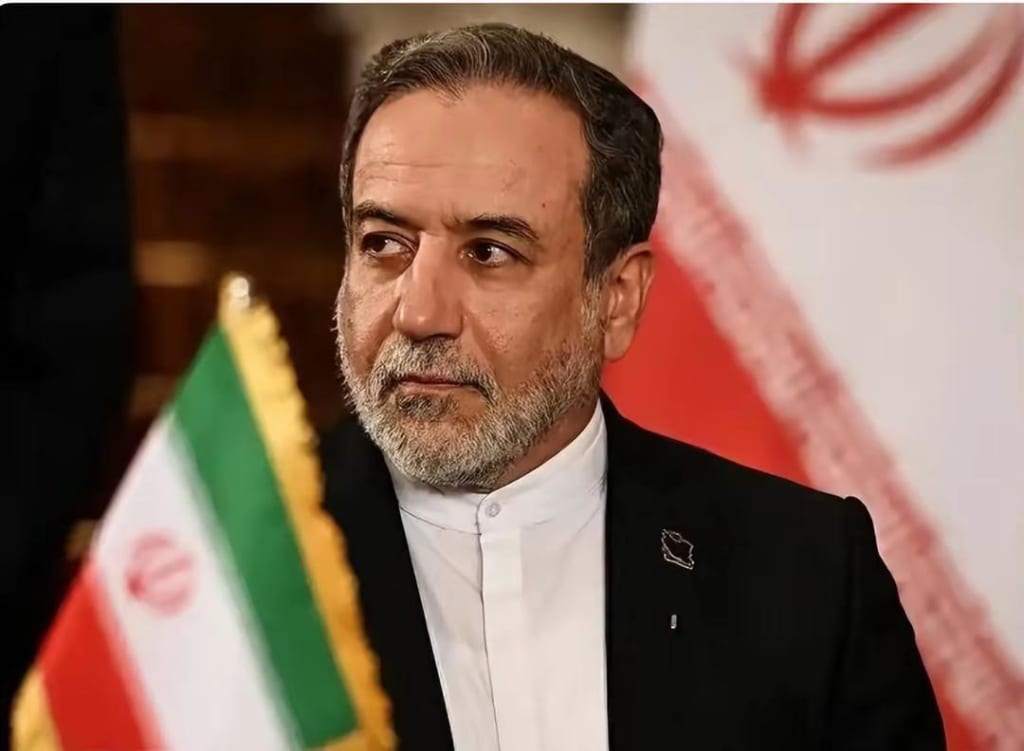
There’s a comforting myth people like to believe:
👉 “Countries always have options.”
👉 “If things go wrong, they just made bad decisions.”
But Iran’s story challenges that idea completely.
Because if you look closely—not emotionally, not politically, but strategically—you’ll notice something uncomfortable:
👉 Iran has spent nearly a century trying every option… and none of them truly worked.
The Illusion of Choice
Iran tried it all:
Neutrality
Aligning with the West
Opposing both global blocs
Playing both sides
And yet, every path led to the same place:
👉 Pressure. Isolation. Conflict.
That’s not coincidence.
That’s geography… and power politics.
Why Neutrality Was Never Real for Iran
People often say:
“Why didn’t Iran just stay neutral like Switzerland or Finland?”
Sounds logical.
But reality isn’t fair.
Case 1: Switzerland — Neutrality Backed by Strength
Switzerland survived World War II not just because it stayed neutral…
But because:
It was militarily prepared
Its terrain (Alps) made invasion costly
It held economic value for powerful nations
Neutrality wasn’t kindness.
👉 It was too expensive to violate.
Case 2: Finland — Neutrality Through Humility
Finland chose a different path:
Avoid provoking major powers
Stay politically quiet
Accept limitations
It survived because:
👉 It wasn’t important enough to fight over.
Now Compare That to Iran
Iran is the opposite of both.
Massive oil & gas reserves
Controls the Strait of Hormuz
Connects Asia, the Middle East, and Europe
This isn’t a quiet country.
This is a global pressure point.
👉 You can’t be neutral when the world depends on what you control.
History Proved It Early
Iran tried neutrality during World War II.
What happened?
👉 It got invaded anyway.
British forces from the south
Soviet forces from the north
The goal?
👉 Secure supply routes and control resources.
Iran’s “neutrality” didn’t matter.
Because in geopolitics:
👉 Weak neutrality gets ignored.
Choosing Sides Didn’t Save Iran Either
After WWII, Iran aligned with the United States.
On paper, this should have worked.
It worked for countries like Saudi Arabia.
So why not Iran?
Because Geography Changed Everything
Iran bordered the Soviet Union
It became a frontline state in the Cold War
That meant:
👉 Supporting the US = provoking the USSR
And the pressure never stopped.
1979: The Turning Point That Changed Everything
The Iranian Revolution flipped the system.
Iran decided:
👉 “We won’t trust anyone. Not the US. Not the Soviets.”
Sounds strong.
But in reality?
👉 It meant fighting everyone at once.
The Cost of Standing Alone
When you oppose all major powers:
Sanctions increase
Isolation deepens
Economic pressure builds
Security threats multiply
Add to that the Iran–Iraq War, and the country was pushed to the edge.
Could Iran Have Played Smart Like India?
India mastered balancing:
Buys oil from Russia
Works with the US militarily
Trades heavily with China
That’s strategic flexibility.
So why couldn’t Iran do the same?
Because Iran isn’t just another country.
👉 It’s a decisive piece on the global chessboard.
The Real Reason Iran Can’t “Just Be Neutral”
Iran has three things that make neutrality almost impossible:
1. Strategic Location
It sits at the center of global trade and energy routes.
2. Resource Power
Energy reserves that the world depends on.
3. Ideological Influence
Its system actively challenges existing power structures.
That combination is rare.
And dangerous.
👉 It makes Iran not just a participant…
👉 But a target, a tool, and a threat—all at once.
The Modern Trap: Playing Both Sides
In recent years, Iran tried a new approach:
Engage with the West
Build ties with the East
Use one side to pressure the other
On paper, it’s smart.
In practice?
It backfired.
Why?
Because both sides noticed:
The West saw weakness
The East saw unreliability
And when trust disappears:
👉 Support disappears with it.
The Harsh Reality of Power Politics
Here’s the truth most people don’t want to accept:
👉 Big powers don’t reward hesitation.
👉 They exploit it.
Iran kept negotiating, compromising, adjusting…
But each time:
Agreements were reversed
Pressure increased
Trust declined
Why Strength Matters More Than Agreements
Look at history.
Countries that survive pressure usually share one thing:
👉 They make themselves too costly to attack.
Not morally.
Not diplomatically.
👉 Strategically.
The Core Mistake
Iran treated critical leverage—like its nuclear program—as a bargaining tool.
Instead of:
👉 A final line of defense
And that created vulnerability:
Infiltration
Assassinations
Sabotage
A Brutal but Honest Conclusion
Iran’s situation isn’t just about bad decisions.
It’s about something deeper:
👉 A system where some countries don’t get real choices.
Because of:
Where they are
What they have
And what they represent
Final Thought: The Game Was Never Fair
We like to believe global politics is about:
Rules
Agreements
Cooperation
But often, it’s about:
👉 Power, leverage, and survival
Iran’s tragedy isn’t just that it chose wrong.
It’s that:
👉 Every path came with a cost…
and none guaranteed safety.
If you really want to understand the world, stop asking:
👉 “Why didn’t they choose differently?”
Start asking:
👉 “Did they ever truly have a choice?”
About the Creator
The Master of Escape
Few names in history are as synonymous with magic and mystery as Harry Houdini. Known as the “King of Escape,” Houdini transformed stage illusion into a thrilling spectacle of danger, skill, and suspense. His life was as dramatic as his performances—and his death, which occurred on Halloween, only deepened the legend surrounding him.
By Irshad Abbasi a day ago in History
Paul and John's 47-Words Short Story Unofficial Challenge
UPDATE - Republished to update the list of entries, with the 40 we've had so far. Completely smashed last unofficial challenge which recieved 31 entries. And there is still time. If you have yet to enter and fancy winning a bit of money or just challenging yourself or both or just making two old geezers job harder - please enter!
By Paul Stewarta day ago in Writers

Comments
There are no comments for this story
Be the first to respond and start the conversation.