
Gold Just “Broke”? The Real Story Behind the 2026 Crash Nobody Is Telling You (And Why It Should Scare You)
War is raging. Oil is expensive. Fear is everywhere.
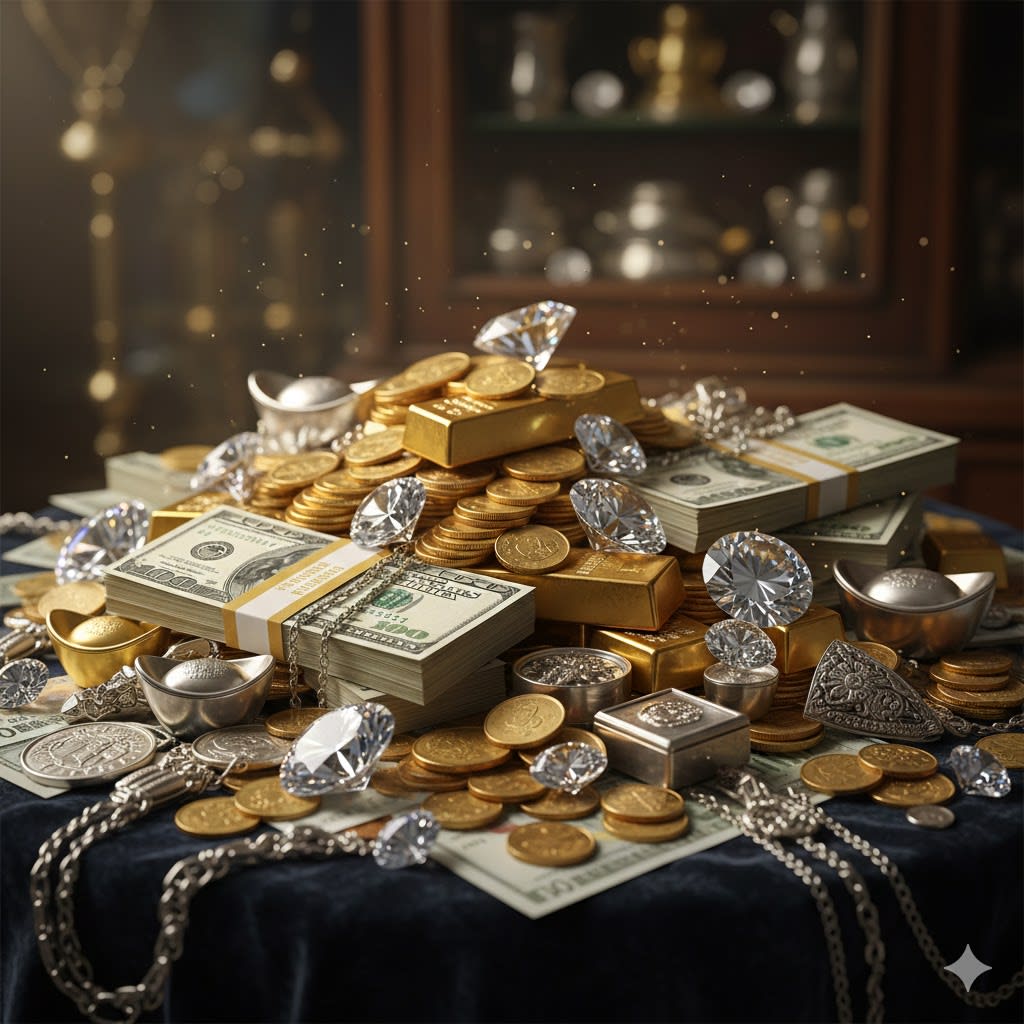
So why did gold — the ultimate safe haven — suddenly collapse?
If that question feels unsettling, good. It should.
Because what happened in March 2026 wasn’t just a market event. It was a warning signal — a crack in a system most people still blindly trust.
The Day the Old Rule Died
For decades, investors lived by one simple rule:
0“When war begins, gold rises.”
From the Soviet invasion of Afghanistan to the Iraq War, to the Russia–Ukraine conflict — gold always played its role.
Until March 23, 2026.
On that day, gold didn’t rise.
It collapsed — nearly 8% in a single session.
At the same time:
- Oil stayed near $100
- The Strait of Hormuz crisis continued
- Missiles were still flying
And yet… gold dropped.
Even Donald Trump announcing a temporary delay in military action didn’t fully explain it.
Something deeper was happening.
This Wasn’t About War — It Was About Survival
Let’s strip away the headlines.
The real reason gold fell is brutally simple:
People didn’t want to sell gold.
They were forced to. Behind the scenes, a liquidity crisis was unfolding — fast and silent. Funds managing billions suddenly faced massive withdrawals. And when investors demand cash, theory doesn’t matter.
You sell what you can, not what you want.
- Real estate loans? Too illiquid
- Private equity? Locked
- Risky debt? No buyers
So what gets sold?
- 👉 Gold
- 👉 Government bonds
The Invisible Pressure: The Bond Market Strikes Back
While everyone watched the war, another battle was happening — in the bond market. Yields on U.S. Treasuries surged toward dangerous levels.
This sent a loud message to the Federal Reserve:
Inflation is rising. You don’t get to relax.
And here’s where it hits gold hard:
- Higher yields = better returns elsewhere
- Gold pays nothing
- Holding gold becomes expensive
So investors didn’t just sell out of fear — they sold because the math stopped making sense. Gold became the ATM of panic.
The Real Shock: When the Dollar and Gold Both Fall
Here’s the part most people missed.
On that same day:
- 👉 Gold fell
- 👉 The U.S. dollar weakened
That’s not normal. Historically, one rises when the other falls.
So what changed?
The answer lies in a slow but dangerous shift:
Trust in the dollar itself is starting to crack. According to the International Monetary Fund, the dollar’s share of global reserves has been declining for years.
The Quiet Rebellion Against the Dollar
While markets panic short-term, countries are thinking long-term.
Look at what’s happening globally:
- Saudi Arabia experimenting with non-dollar oil settlements
- Iran pushing alternative payment terms
- Central banks hoarding gold at record levels
- New systems emerging to bypass traditional financial rails
This isn’t loud. It’s not dramatic. But it’s systemic. Now, geopolitical tensions are accelerating that trend.
The Brutal Truth: Gold Didn’t Fail — The System Did
Let’s be clear:
Gold didn’t lose its value. It was sacrificed. When the system gets stressed, everything bends toward one thing:
- Liquidity. Cash. Survival.
- And right now, the global system still runs on dollars.
That’s why in the short term:
- Everyone rushes to dollars
- Everything else gets sold
- Even gold.
So… Should You Be Worried?
Short answer?
Yes — but not for the reason you think.
Short-Term Reality (1–3 Months)
Expect chaos:
- Volatility stays high
- Liquidity stress continues
- Gold may remain under pressure
Medium-Term (6–12 Months)
Once panic fades:
- Gold stabilizes
- Institutional money returns
- Prices likely recover strongly
Long-Term (1–3 Years)
This is where things get interesting:
- If the dollar’s dominance weakens further…
- Gold stops being a “backup”
- And starts becoming a foundation
The Psychological Trap Most Investors Fall Into
When gold drops during war, people assume:
👉 “It’s broken”
👉 “It’s not safe anymore”
But that’s surface-level thinking.
The deeper reality:
- Gold reflects the system.
- And right now, the system is under stress.
Final Thought: The Day Everything Quietly Changed
March 23, 2026 wasn’t just a bad day for gold.
It was a turning point. The moment when:
- Liquidity overpowered logic
- Markets ignored tradition
- And trust began to shift beneath the surface
Gold didn’t fail. It simply revealed something uncomfortable:
- The world is entering a new financial era —
- one where the old rules don’t always apply.
- And if you’re still investing like it’s 2008…
You might be the one getting caught off guard next.
About the Creator
The Irony of Flying While We Bomb the "World's Greatest Terror Regime"
Ah, the irony of flying at this moment in time as the United States is simultaneously bombing Iran - the nation officials have insisted for decades is "The World's Greatest Terror Regime" - while the TSA is on a go-slow, courtesy of a funding squeeze that's left its officers unpaid, quitting in droves, and turning checkpoints into something like slow-moving bread lines.
By Scott Christenson🌴8 days ago in Humor


Comments
There are no comments for this story
Be the first to respond and start the conversation.