
The Girl in the Closet: Lauren Kavanaugh's Story of Survival
Lauren Kavanaugh, the "Girl in the Closet," was rescued at age 8 in 2001 weighing just 25.6 pounds after years of starvation, confinement, and abuse by her mother and stepfather. She survived, recovered, and now supports other victims.
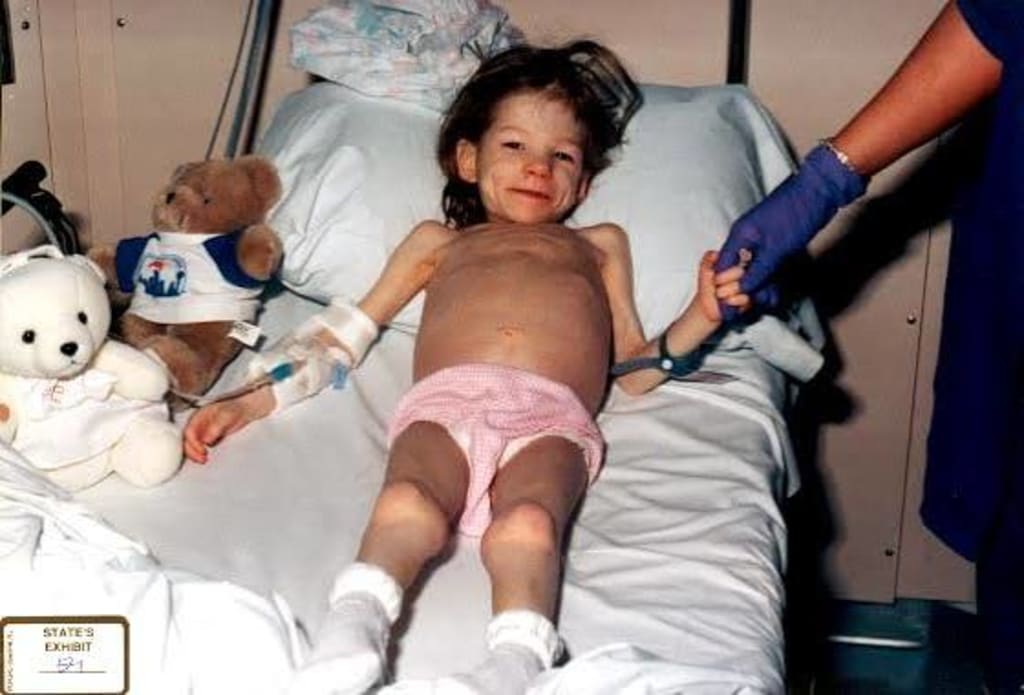
In June 2001 an eight-year-old girl named Lauren Kavanaugh was discovered and rescued from a horrific situation in a mobile home in Hutchins near Dallas Texas. Known to the public as the Girl in the Closet she had endured extreme physical emotional, and sexual abuse at the hands of her biological mother Barbara Atkinson, and stepfather Kenneth (Kenny) Atkinson for approximately six years starting around age two or three.When authorities pulled Lauren from the small, filthy closet where she had been confined for most of her young life, her condition was shocking. She weighed only 25.6 pounds—equivalent to the average two-year-old—despite her age of eight. Her body displayed severe signs of prolonged malnutrition, including a distended, potbellied appearance typical of starvation, protruding ribs, limbs as thin as quarters, missing teeth, and overall emaciation resembling that of Holocaust survivors. The closet itself was described as a squalid space, roughly 4 by 8 feet, infested with lice, soaked in urine and feces, littered with trash, and serving as her near-permanent prison. She was rarely let out except for instances of further abuse.
The abuse had caused catastrophic damage to her body and organs. Upon rescue, Lauren was immediately rushed to Children's Medical Center Dallas, where doctors determined her organs were beginning to shut down due to extreme starvation. To stabilize her, medical staff employed specialized feeding techniques originally developed for Holocaust victims to slowly and safely reintroduce nutrition without overwhelming her ravaged system. She required a colostomy bag following surgery to address severe internal damage. Investigators also confirmed years of sexual abuse that left her tiny body so profoundly injured that she underwent multiple reconstructive surgeries over time.
Despite the overwhelming evidence of prolonged torture—including beatings, starvation, confinement, and sexual assault—prosecutors faced challenges in securing convictions on the most severe charges. The sexual abuse was so extensive and traumatic that the then-eight-year-old Lauren was deemed too psychologically fragile to testify in court about those specific acts. As a result, Barbara and Kenneth Atkinson were never convicted of rape. Instead, they were convicted of felony injury to a child and related charges, receiving life sentences for their roles in the abuse.
After her rescue, Lauren was placed in protective care and eventually adopted by a supportive family. Her adoptive parents, along with medical professionals, therapists, and advocates, helped her begin the long process of physical and emotional recovery. Over the years, she spoke publicly about her experiences, including appearances on shows like *Dr. Phil*, where she discussed ongoing struggles with flashbacks, anxiety, sleep issues, and the lasting impact of her trauma. She expressed a desire to help others, positioning herself as an advocate and supporter for victims of child abuse, sharing her story to raise awareness and offer hope.
Lauren's journey has not been without further challenges. The profound trauma she endured contributed to complex mental health issues, and she has faced personal difficulties in adulthood. In 2018, at age 25, she was arrested and charged with sexual assault of a child involving a 14-year-old girl she had connected with online through efforts to support abuse survivors. The case drew significant attention due to the irony and tragedy of a former victim facing such allegations. However, after being deemed incompetent to stand trial in 2020 due to mental health concerns, she received treatment at a mental health facility. The charges were ultimately dropped in 2021, and she was released.
Despite these setbacks, reports and accounts from around 2013–2020 (and some more recent mentions) highlight Lauren's resilience and efforts to rebuild. She pursued education, became a student, and continued efforts to turn her painful past into a force for good by supporting other abuse victims. Her story, detailed extensively by outlets like *The Dallas Morning News* in a multi-part series titled "The Girl in the Closet," remains one of the most extreme documented cases of child abuse in Texas history. It underscores the devastating long-term effects of early trauma, the importance of intervention, and the complex path to healing—even as it illustrates that recovery can involve ongoing struggles.
Lauren's survival and attempts to advocate for others reflect a determination to reclaim agency after years of unimaginable deprivation and violation. Her case continues to serve as a stark reminder of the need for vigilance in protecting vulnerable children and providing comprehensive support for survivors.
About the Creator
Keep reading
More stories from Kure Garba and writers in Criminal and other communities.
The Man Interrogated for Six Hours with Bullets in His Brain
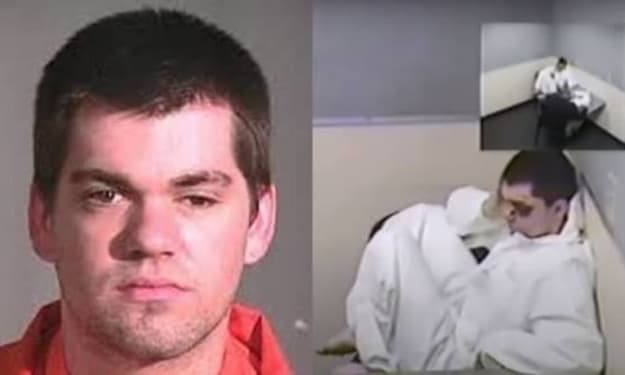
On Christmas Day 2006 18-year-old Ryan Waller and his 19- or 20-year-old girlfriend Heather Quan (sometimes referred to as Heather M. Quan) were at home in their Phoenix apartment which they shared with a roommate named Alicia. The young couple had been dating for about eight months. Ryan had recently graduated high school, while Heather was pursuing college studies. They planned to spend the evening at Ryan’s father Don Waller’s house for Christmas dinner a family gathering they both looked forward to.Instead their lives were shattered by a brutal home invasion. The attackers were Richie Lee Carver (Ryan’s former roommate) and his father Larry Lloyd Carver. The Carvers forced their way into the apartment seeking revenge over a perceived altercation. Richie reportedly reached through the doorway and shot Ryan in the head—twice. One bullet struck Ryan in the face entering near his left eye causing severe trauma brain swelling and lodging fragments behind the eye. Ryan collapsed but miraculously survived the initial assault. The intruders then entered the residence fully. Heather who had been resting on the couch was shot in the head and died instantly. She was apparently killed because she had witnessed the attack. The Carvers also burglarized the apartment stealing items such as guitars and other valuables before fleeing.
By Kure Garba13 days ago in Criminal


Comments
There are no comments for this story
Be the first to respond and start the conversation.