
Alchemised Review: A Dark, Ambitious Fantasy Fueled by War, Memory, and Alchemy
Alchemised is a dense, dark fantasy that blends war, memory, and alchemy into a grim, ambitious story that prioritizes character and power over romance.
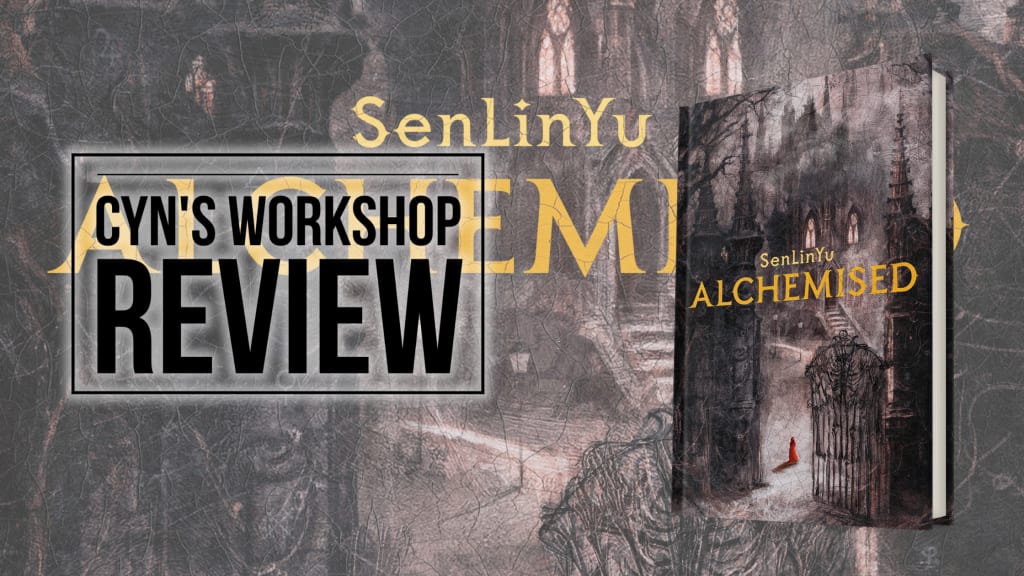
Alchemised is a dense, dark fantasy that blends war, memory, and alchemy into a grim, ambitious story that prioritizes character and power over romance.
Alchemised is one of those books that arrived surrounded by controversy, complicated expectations, and a lot of online noise—and almost none of that prepared me for the actual reading experience.
Going into this novel, it wasn’t on my TBR, and I had little interest in its inspirations or discourse. What I found instead was a dense, ambitious dark fantasy that leans far more into war, memory, and alchemy than romance, and ultimately surprised me more than I expected.
What Alchemised Actually Is (and Isn’t)
Let’s get this out of the way first: Alchemised is not romantasy. While it contains romantic elements, the romance is not the core of the narrative and does not meaningfully develop until far into the book. This is a dark fantasy first and foremost—one driven by war, power, control, and survival.
The story is heavy, bleak, and unapologetically grim. Much of its thematic weight comes from systems of oppression, loss of autonomy, and the slow reclaiming of identity, which places it closer in tone to The Handmaid’s Tale than anything resembling a romance-led fantasy.
Alchemy as Magic—and Its Limits
One of the novel’s most compelling features is its focus on alchemy as the primary magical system. Alchemy is rarely explored in depth in fantasy, and here it is treated as both science and sacrifice—structured, dangerous, and deeply tied to power. That said, the alchemy sections can become dense and repetitive, particularly in the first part of the book.
While some reiteration makes sense in a novel of this length, there are moments where explanations feel overextended. Personally, I felt the story could have been significantly shorter—by at least 200 pages—without losing emotional or narrative impact.
Structure, Pacing, and the Power of Part Two
The structure of Alchemised is uneven, but intentionally so. The first section is slow and occasionally difficult to push through, especially the opening chapter and prologue, which nearly lost me early on. Once the story settles, however, it begins to gain traction.
Part Two is where the novel truly shines: memory, identity, and character growth converge in a way that feels urgent, emotional, and sharply focused. I flew through this section with no complaints.
Part Three is solid but less impactful, and the epilogue overstays its welcome, stretching what could have been a powerful ending into something that felt exhausting rather than cathartic.
Characterization and Emotional Distance
The characters in Alchemised are complex, layered, and shaped by trauma, war, and loss. Their dynamics feel intentional, particularly as memories resurface and past choices are reevaluated.
Despite this, I never fully formed a deep emotional attachment to the story as a whole. I admired the craft, respected the ambition, and enjoyed large sections of the book—especially Part Two—but something kept me at arm’s length emotionally. That doesn’t make Alchemised ineffective; it simply means it didn’t quite land as a five-star read for me.
Final Thoughts
Alchemised is a thoughtful, challenging dark fantasy that rewards patience and close reading. Its strengths lie in its worldbuilding, alchemical magic system, and exploration of war, memory, and autonomy.
While uneven pacing and excessive length hold it back from greatness, it remains a compelling and worthwhile read—especially for readers who enjoy heavy themes and morally complex storytelling. This was a book I never planned to read, and I’m genuinely glad I did.
About the Creator
Keep reading
More stories from Cyn's Workshop and writers in BookClub and other communities.
If Looks Could Kill Review: Medusa vs. Jack the Ripper in a Fierce Gothic Reimagining
If Looks Could Kill by Julie Berry is a gripping historical fantasy that reimagines Medusa as a weapon of vengeance hunting Jack the Ripper in a dark, feminist blend of mythology and true crime.
By Cyn's Workshop11 days ago in BookClub
A Visitor's Guide To Victorian England
A Book Review Being interested in all things Victorian, I am constantly looking for books on the Victorian Era. In fact, I should admit that I am obsessed about ‘all things Victorian’. From the clothes worn by men and women, rich or poor, to how they lived, where they lived, what they ate and would (or would not ) drink, what kind of transport there was, who worked where, who went to school (and who didn’t), the list really is endless.
By Ruth Elizabeth Stiff6 days ago in BookClub
Seeking Justice
The arrest of three Hillsborough County Sheriff’s Office employees on domestic‑violence charges within a matter of days has ignited widespread calls for justice, harsh punishment, and systemic accountability across the Tampa Bay region. To many community members and advocacy groups, the cases represent far more than isolated incidents; they are seen as a direct challenge to public trust, the integrity of law enforcement, and the moral authority of those sworn to protect victims of violence rather than become its perpetrators.
By Press Release 4 days ago in BookClub



Comments
There are no comments for this story
Be the first to respond and start the conversation.